

Why Your AC Compressor Isn’t Turning On — Causes, Signs & When to Call a Professional
When your air conditioner suddenly stops cooling and the outdoor unit seems quiet, panic can set in quickly—especially during a blazing Florida summer. At Weathermakers Air Conditioning & Heating, Inc. we know just how frustrating it feels when your AC compressor won’t turn on.
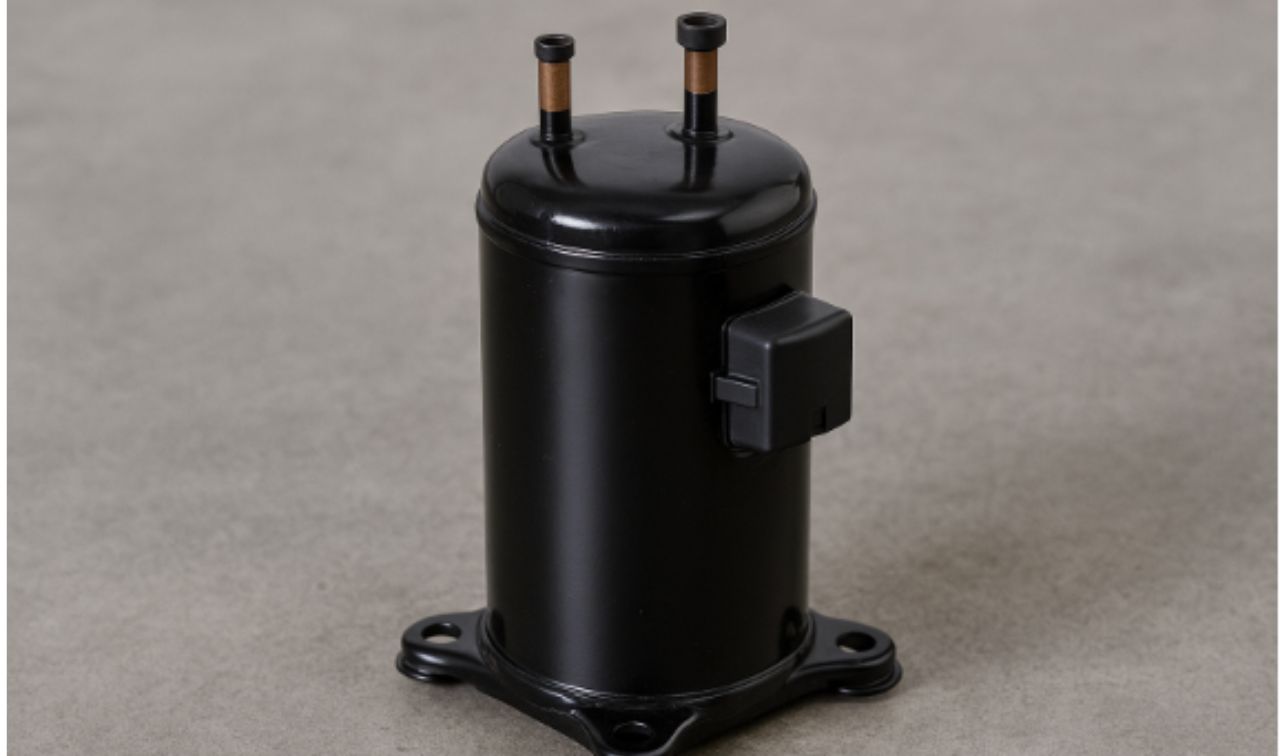
The compressor is the “heart” of your cooling system, pumping refrigerant and helping move heat out of your home. When it fails, your entire system stalls. Let’s break down what could be going wrong and when it’s time to let our experienced Largo HVAC technicians step in.
Weathermakers Air Conditioning
Common Signs Your AC Compressor Is Failing
Before your AC compressor gives up completely, it often sends warning signals. Knowing what to look for can help you catch problems early and avoid bigger repair bills later.
- Warm air blowing from vents instead of cool, refreshing air.
- Unusual noises like rattling, grinding, or clicking when your AC starts up.
- Frequent tripping of circuit breakers when the air conditioner kicks on.
- Visible refrigerant leaks or pooling liquid near your outdoor unit.
- Weak or uneven airflow even when the thermostat is set correctly.
If you notice one or more of these symptoms, it’s a good sign your compressor is struggling and needs professional attention.
Top Reasons Your AC Compressor Won’t Kick On
There’s no single cause behind a non-starting compressor—sometimes it’s electrical, sometimes mechanical, and other times it’s just old age. In Florida’s humid climate, AC systems work overtime, and even the best ones can wear down over time.
Common causes include:
- Low refrigerant due to leaks
- Faulty capacitors or contactors
- Dirty coils that prevent heat release
- Clogged air filters restricting airflow
- Thermostat malfunctions
- Compressor motor failure
Some of these are quick fixes. Others, like internal motor damage or major refrigerant leaks, require licensed professionals to diagnose and repair safely.
Electrical Issues That Prevent Compressor Startup
We see this one a lot in Largo homes: the system hums, the fan might spin, but the compressor never kicks on. Nine times out of ten, it’s an electrical problem.
Capacitors, relays, and contactors are the electrical “boosters” that help the compressor start. When they fail, the unit can’t draw enough power to get going. Sometimes breakers or fuses trip because of power surges or overheating.
These issues may sound small, but handling live electrical components is not a DIY job—it’s dangerous and can cause more damage if done incorrectly. Our certified HVAC techs have the right tools and training to test and replace these parts safely.
Refrigerant and Airflow Problems Affecting Performance
Your compressor needs the right pressure levels and airflow to run properly. Low refrigerant (from leaks) or blocked airflow (from dirty filters or coils) can shut down the system altogether.
Too little refrigerant triggers low-pressure safety switches, while restricted airflow can cause pressure to spike dangerously high. Either way, your compressor shuts off to protect itself from burning out.
If your system seems to start but never cools, it could be a refrigerant issue—and only EPA-certified HVAC professionals can legally handle and recharge refrigerant safely.
Mechanical Failures and Age-Related Wear
Even the toughest compressor won’t last forever. Most air conditioning compressors last about 10 to 15 years, but Florida’s salty air, high humidity, and constant use can shorten that lifespan.
Mechanical wear, internal valve failure, or damaged pistons can all stop your compressor from starting. If your system is older and showing multiple issues, replacing the compressor—or even upgrading your entire AC unit—may be more cost-effective in the long run.
The Dangers of Ignoring Compressor Problems
When your compressor won’t start, ignoring it doesn’t make it better. Running your system in this condition can cause:
- Overheating and electrical shorts
- Burned-out wiring or contactors
- Increased energy bills due to system strain
- Total compressor failure requiring full replacement
Catching these issues early with professional diagnostics often saves hundreds—or even thousands—of dollars in future repairs.
Why DIY Fixes Can Make Things Worse
We know how tempting it is to search for quick fixes online. But here’s the truth: compressors involve high voltage, pressurized refrigerant, and complex circuitry. Attempting to fix it yourself can cause electric shock, refrigerant exposure, or voided warranties.
At Weathermakers, we’ve seen many well-intentioned DIY repairs end up costing homeowners more in the long run. It’s always better—and safer—to have an experienced HVAC professional inspect the system first.
When to Call a Licensed HVAC Professional
Here’s a quick list to help you decide when to bring in a pro:
- Circuit breakers keep tripping when the AC starts
- You see ice forming on the coils or refrigerant lines
- Warm air continues to blow from vents
- You notice refrigerant leaks around the unit
- Your AC runs constantly but never cools the home
- The outdoor unit hums but the compressor won’t engage
If any of these sound familiar, it’s time to call Weathermakers Air Conditioning & Heating, Inc.. We’ll inspect the unit, pinpoint the problem, and get your cooling back fast.
What to Expect During Professional Diagnosis and Repair
When our technicians arrive, we bring the tools and experience to find the real cause—not just the symptoms.
We’ll check:
- Refrigerant pressures using precision gauges
- Electrical continuity with a multimeter
- The capacitor, contactor, and control board operation
- Compressor amperage draw and safety switch function
Once we’ve identified the issue, we’ll explain your options clearly and upfront. Whether it’s a simple capacitor swap or a more involved compressor replacement, you’ll always know what’s happening before we proceed.
Repair vs. Replacement: Making the Right Choice
It’s never fun to face this decision, but sometimes replacing your compressor—or even the entire AC system—makes more sense.
If your system is over 12 years old, has repeated issues, or uses the discontinued R-22 refrigerant, upgrading could save money in the long run. Newer systems with R-410A refrigerant are more efficient, environmentally friendly, and can significantly reduce energy bills.
Our team can walk you through the pros and cons of repair versus replacement, helping you make the best decision for your home and budget.
Long-Term Benefits of Professional Maintenance
Regular professional maintenance is the best way to prevent your compressor from failing prematurely. At Weathermakers, we recommend scheduling seasonal tune-ups that include:
- Cleaning condenser and evaporator coils
- Checking refrigerant pressure and system operation
- Inspecting electrical connections and safety switches
- Replacing filters and calibrating thermostats
Routine maintenance can extend your system’s lifespan, improve energy efficiency, and help you catch small issues before they turn into expensive repairs.
Cost Factors: What Influences AC Compressor Repairs
Compressor repair costs can vary depending on several factors:
- The age and model of your AC unit
- Whether it’s a single-stage or variable-speed system
- The cost of replacement parts and refrigerant type
- Labor involved in accessing and replacing components
While it might be tempting to delay service, small electrical or refrigerant issues can escalate into full system failures. Getting your system checked early helps avoid a much larger bill down the road
Tips to Prevent Future Compressor Issues
You can’t stop wear and tear completely, but a few smart habits go a long way toward preventing compressor breakdowns:
- Keep your air filters clean and replace them every 1–3 months.
- Schedule professional HVAC tune-ups twice a year.
- Make sure your outdoor condenser stays clear of debris and plants.
- Watch for sudden changes in energy bills or cooling performance.
- Call for service immediately when you notice warm air or unusual noises.
A little preventive care keeps your compressor running smoothly and your family comfortable all year long.
Final Recommendation: Call a Certified HVAC Technician
If your AC compressor isn’t kicking on, don’t sweat it—literally. The best solution is to call a certified HVAC professional to safely inspect, diagnose, and repair the issue before it worsens.
At Weathermakers Air Conditioning & Heating, Inc. we’ve proudly served Largo, FL, and surrounding communities for years with honest, reliable service and expert craftsmanship. Whether you need a quick repair, a full system tune-up, or a new AC installation, our team is here to keep your home cool and comfortable.
Don’t wait for the Florida heat to take over—reach out to Weathermakers Air Conditioning & Heating, Inc. today. Our certified Largo HVAC experts will inspect your system, pinpoint the issue, and restore your home’s comfort fast.
Leave a Reply
Want to join the discussion?Feel free to contribute!