HVAC technician repairing an outdoor air conditioning unit.

The Cost of Air Conditioning Repair in Largo: What to Expect

In a place like Largo, FL, air conditioning isn’t optional—it’s essential for everyday comfort. So when your AC starts acting up, one of the first concerns is usually cost. The truth is, air conditioning repair costs can vary quite a bit depending on the situation. The good news? Understanding what affects those costs—and how to prevent major issues—can help you make smarter, more confident decisions as a homeowner.


Understanding What Influences AC Repair Costs

There’s no flat rate when it comes to AC repairs. Costs depend on several factors, including the type of problem, the parts required, and the overall condition of your system. Minor issues like a clogged drain line or faulty capacitor are typically quick and affordable to fix. On the other hand, larger problems—such as compressor failure or refrigerant leaks—can be more expensive. Another important factor is timing. Problems that are addressed early tend to cost significantly less than those that are allowed to worsen over time.
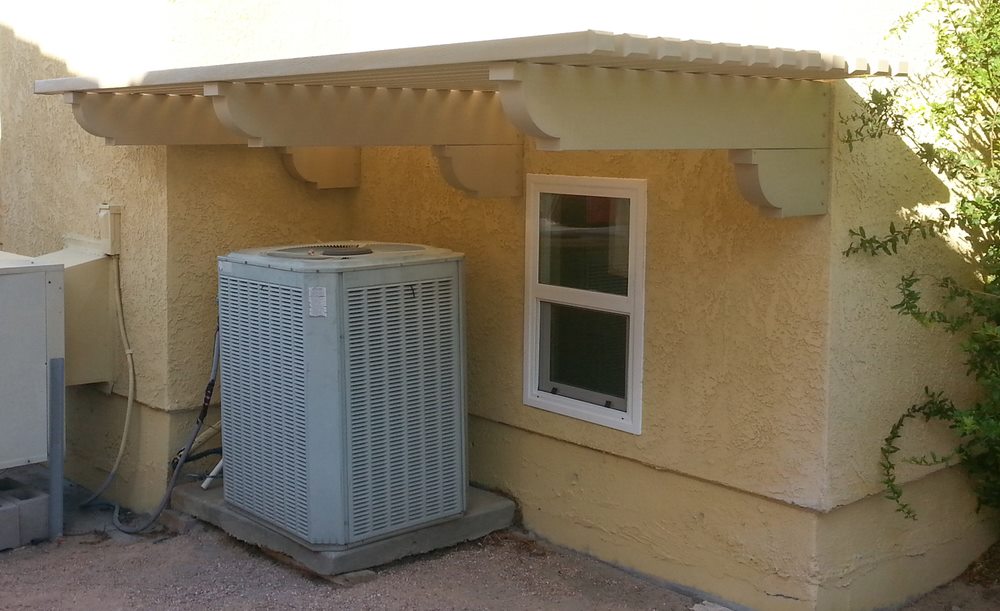
Outdoor residential air conditioning unit installed beside a home with protective shade cover in Largo, FL

Why Choosing the Right AC Repair Company Matters

The company you hire plays a big role in both the quality of the repair and the final cost. A reliable HVAC professional will focus on diagnosing the root issue and recommending only what’s necessary. Poor workmanship or misdiagnosis can lead to repeated repairs, which adds up quickly. Taking the time to choose a trustworthy, experienced provider can save you money and frustration in the long run.


Experience and Reputation: Key Factors in Quality Service

Experience matters when it comes to HVAC repair. Technicians who have worked on a wide range of systems are better equipped to quickly identify problems and fix them correctly. A strong reputation—backed by reviews and referrals—can also give you confidence that the company consistently delivers quality service.


Availability and Response Time in Emergency Repairs

In Florida’s heat, a broken AC system can’t always wait. Fast response times are crucial, especially during peak summer months. If your system suddenly fails, finding a reliable provider for emergency hvac service Largo FL can make all the difference in restoring comfort quickly. While emergency services may sometimes come at a higher cost, prompt repairs can prevent further damage to your system and reduce long-term expenses.


The Importance of Hiring Local AC Professionals

Local HVAC professionals often have a better understanding of the unique demands placed on AC systems in Largo’s climate. High humidity and frequent usage can take a toll on equipment. Local companies are also more likely to respond quickly and provide personalized service compared to providers traveling from outside the area.


Certifications and Qualifications to Look For

Hiring a licensed and certified technician is essential for ensuring safe and effective repairs. Proper credentials indicate that the technician has the training needed to handle complex HVAC systems. This reduces the risk of improper repairs that could lead to additional costs later.


Professionalism and Customer Communication

Clear communication is an important part of any repair experience. Homeowners should expect upfront pricing, detailed explanations, and honest recommendations. A professional technician will take the time to answer questions and help you understand your options before any work begins.


What Happens During a Professional AC Maintenance Visit

Routine maintenance is one of the most effective ways to keep repair costs under control. A professional maintenance visit focuses on inspecting, cleaning, and optimizing your system to ensure it runs efficiently and reliably.


Initial Inspection and System Evaluation

During maintenance, technicians perform a detailed inspection of your system. This includes checking electrical components, refrigerant levels, airflow, and overall performance. Identifying small issues early can prevent them from turning into major repairs.


Cleaning and Preventive Maintenance Steps

Over time, dirt and debris can build up inside your AC system, reducing efficiency and increasing strain on components. Cleaning coils, replacing filters, and clearing drain lines are essential steps that help your system run more smoothly and reduce the risk of breakdowns.


Safety Checks and System Adjustments

Maintenance visits also include important safety checks. Technicians will inspect electrical connections, test system controls, and make adjustments to ensure everything is operating correctly. These steps help prevent potential hazards and improve overall performance.


Performance Testing and Final Checks

After cleaning and adjustments are complete, the system is tested to confirm it’s working efficiently. This includes checking airflow, cooling output, and system responsiveness. These final checks ensure your AC is ready to handle the demands of daily use.


How Regular Maintenance Impacts Repair Costs

Regular maintenance plays a major role in keeping repair costs manageable. A well-maintained system operates more efficiently, experiences fewer breakdowns, and lasts longer. Skipping maintenance may save money in the short term, but it often leads to higher expenses over time.


Common Issues Detected During Maintenance Visits

Routine maintenance often reveals small problems before they become serious. These commonly include:

  • Dirty or clogged air filters that restrict airflow
  • Low refrigerant levels that reduce cooling efficiency
  • Worn or failing components that could lead to breakdowns
  • Loose electrical connections that pose safety risks
  • Blocked drain lines can cause water damage

Addressing these issues early helps avoid costly repairs and unexpected system failures.


Preventing Expensive Repairs Through Routine Service

Preventive maintenance is one of the best ways to protect your investment. By scheduling regular service, you can reduce wear and tear, improve efficiency, and extend the lifespan of your AC system. It’s a simple step that can make a big difference in both comfort and cost.


Tips for Finding Reliable and Affordable AC Repair in Largo

When looking for an AC repair in Largo, FL, it’s important to do a little research. Here are a few helpful tips:

  • Check online reviews and ask for local recommendations
  • Verify licensing, insurance, and certifications
  • Look for clear, upfront pricing
  • Ask about maintenance plans for long-term savings
  • Choose a company that values honesty and communication


Final Thoughts on Managing AC Repair Costs

Air conditioning repair costs in Largo can vary, but they don’t have to be unpredictable. By understanding what impacts pricing, staying proactive with maintenance, and choosing a qualified professional, you can keep your system running efficiently without unnecessary expenses.

If you’re looking for dependable service or want expert help keeping your system in top shape, don’t hesitate to reach out to Weathermakers Air Conditioning & Heating, Inc. for trusted AC repair and maintenance in Largo.
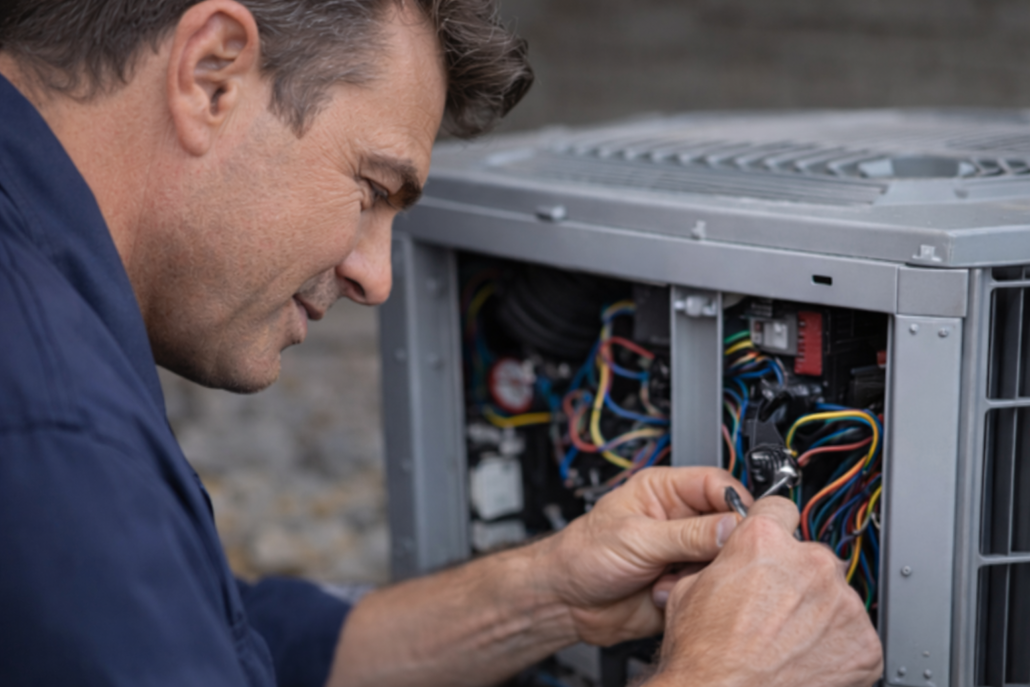
HVAC technician repairing an outdoor air conditioning unit.

24/7 Emergency HVAC Service Near Me in Largo, FL: Why Fast Repairs Matter

When your air conditioner stops working on a hot Florida afternoon, or your heater suddenly fails during a cold front, it can feel like a crisis. HVAC systems are designed to keep your home comfortable year-round, but like any mechanical system, they can break down without warning.

For homeowners searching for “24/7 emergency HVAC service near me in Largo, FL,” understanding what qualifies as an HVAC emergency and how to respond can make a big difference. In this guide, we’ll explain common HVAC emergencies, why fast repairs matter, and what you can do to protect your home while waiting for professional help.

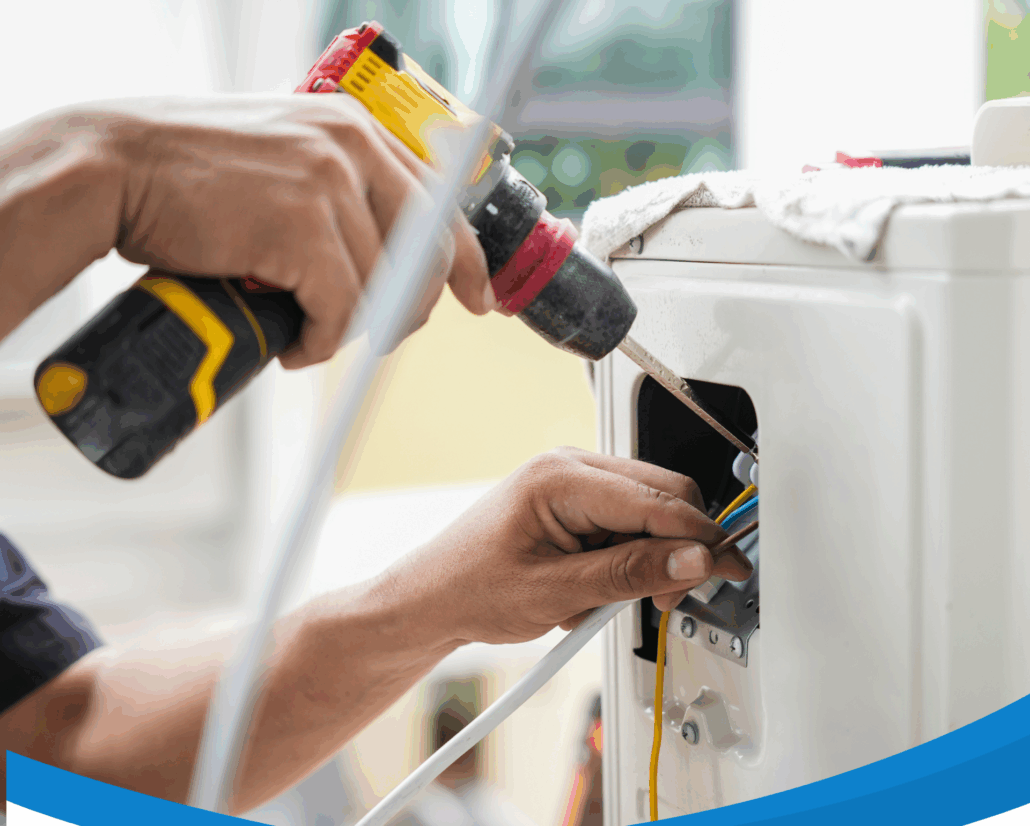
HVAC technician repairing wiring inside an outdoor air conditioning unit during a 24/7 emergency HVAC service call in Largo, FL

Why Emergency HVAC Services Are Essential for Homes and Businesses

HVAC systems do much more than control temperature. They help regulate humidity, maintain indoor air quality, and protect your home from extreme weather conditions. When a system suddenly fails, the impact can go beyond discomfort.

In Florida’s humid climate, indoor temperatures and moisture levels can rise quickly without proper cooling. This can create conditions that promote mold growth and poor air quality. Businesses may also face interruptions, customer loss, or product damage when cooling systems fail.

Emergency HVAC services in Largo, FL, exist to address these urgent situations quickly and restore safe, comfortable indoor conditions.


Common HVAC Emergencies That Require Immediate Service

Not every HVAC problem requires an emergency repair, but some issues should be addressed right away to prevent additional damage.

Here are some common situations that may require immediate attention:

  • Complete loss of air conditioning during extreme heat
  • Burning smells coming from vents or equipment
  • Loud banging, grinding, or unusual system noises
  • Water leaks or pooling around indoor units
  • Frozen coils or ice buildup on the system
  • Weak or no airflow coming from vents
  • Electrical problems or thermostat failures

Many HVAC emergencies begin with small warning signs that homeowners might overlook. If you notice unusual performance from your AC system, it may be helpful to review the top signs you need professional AC repair in Largo, FL so you can address issues before they turn into urgent breakdowns.

If any of these issues occur, contacting a professional technician promptly can help prevent further damage to the system.


Health, Safety, and Property Risks of HVAC System Failures

HVAC breakdowns can affect more than comfort. They can also create potential health and safety concerns.

In warm climates like Largo, indoor temperatures can rise quickly when an AC system fails. This can be uncomfortable and even dangerous for children, elderly residents, and pets. High humidity can also encourage mold growth, which may impact indoor air quality and respiratory health.

Additionally, some HVAC failures involve electrical components or refrigerant systems. Attempting to operate or repair a malfunctioning system without professional assistance can increase the risk of damage or safety hazards.


The Importance of Fast 24/7 HVAC Response Times

When HVAC systems fail unexpectedly, time matters. The longer a system remains down, the greater the chance that additional components may be affected.

Fast response times help:

  • Restore comfortable indoor temperatures
  • Prevent additional strain on HVAC components
  • Reduce the risk of moisture damage or mold growth
  • Minimize disruptions to daily routines

For these reasons, many homeowners rely on local HVAC companies like Weathermakers Air Conditioning & Heating that offer 24/7 emergency service to handle urgent repairs.

What to Expect During an Emergency HVAC Service Call

If you’ve never called for emergency HVAC service before, you may wonder what the process looks like.

Typically, the process begins with a quick phone assessment where the technician asks questions about your system and the symptoms you’re experiencing. This helps the technician prepare for the visit.

Once on-site, the technician will perform a full inspection of the system, run diagnostic tests, and identify the cause of the problem. After explaining the issue and available repair options, the technician can begin restoring the system whenever possible.

The goal is to resolve the issue quickly while ensuring the system operates safely and efficiently.

Step-by-Step Emergency HVAC Repair Process

Professional HVAC technicians typically follow a structured process during emergency service calls:

  • Initial call assessment to understand the issue
  • Dispatch of a trained HVAC technician
  • On-site inspection and diagnostic testing
  • Clear explanation of the problem and recommended repair
  • Immediate repair when parts and conditions allow
  • Final system testing to confirm proper operation

This approach helps ensure the repair is done correctly and prevents future problems from developing.


Why DIY HVAC Repairs Can Make Emergencies Worse

It can be tempting to troubleshoot HVAC problems yourself, especially when a system stops working unexpectedly. However, HVAC systems involve complex electrical components, refrigerants, and specialized equipment.

DIY attempts may accidentally damage sensitive components or create safety risks. In many cases, trying to repair the system without proper tools or training can lead to more expensive repairs later.

Professional HVAC technicians are trained to safely diagnose and repair systems while protecting both the equipment and your home.


Repair vs. Replacement During HVAC Emergencies

Not every HVAC emergency requires a full system replacement. In many situations, technicians can restore operation by replacing worn components, repairing electrical connections, or resolving airflow issues.

However, if the system is older or has experienced a major mechanical failure, replacement may be the more practical option. A qualified technician can evaluate the condition of the system and explain whether repair or replacement is the best long-term solution.


Benefits of Choosing a Professional Emergency HVAC Service

Working with experienced HVAC professionals during an emergency provides several advantages. Technicians have the knowledge, tools, and parts needed to diagnose problems quickly and restore system performance.

Professional service also ensures repairs are completed safely and according to industry standards. This helps extend the life of your HVAC system and improves overall efficiency.

For homeowners in Largo, choosing a reliable local HVAC company ensures faster response times and personalized service.


When to Call for Emergency HVAC Help

Knowing when to call for emergency HVAC service can help prevent larger problems. If your system suddenly stops working, produces unusual smells or noises, or shows signs of electrical or water issues, it’s best to contact a professional technician right away.

Even if you’re unsure whether the situation is urgent, consulting with an HVAC professional can help you determine the best next step.


Maintaining Your HVAC System to Prevent Emergencies

While emergencies can happen unexpectedly, regular maintenance is one of the best ways to reduce the risk of sudden system failures.

Scheduling seasonal HVAC tune-ups allows technicians to inspect components, clean critical parts, and identify potential problems before they become serious issues. Simple steps like replacing air filters and keeping outdoor units clear of debris can also improve system performance.

Preventative care not only improves reliability but also helps extend the life of your HVAC system.


Reliable 24/7 Emergency HVAC Service for Year-Round Comfort

HVAC emergencies can happen at any time, but understanding how these systems work and when to call for help can make a stressful situation easier to manage. Quick action, professional diagnosis, and proper repairs help restore comfort and protect your home.

If you ever need 24/7 emergency HVAC service near you in Largo, FL, it’s wise to work with a trusted local professional like Weathermakers Air Conditioning & Heating, a company experienced in diagnosing urgent HVAC issues and restoring reliable heating and cooling for homeowners in the community. Contact us today for fast emergency HVAC service.

Top Signs You Need Professional AC Repair in Largo, FL

Living in Largo, FL, means your air conditioner runs almost nonstop for most of the year. Between the heat, humidity, and salty coastal air, your system works overtime to keep your home comfortable. At Weathermakers Air Conditioning & Heating, Inc., we know how important it is to catch small AC problems early before they turn into expensive breakdowns. If your system isn’t performing like it used to, here’s what to watch for.

Why Florida’s Heat & Humidity Strains Your AC System

Florida’s climate puts unique stress on cooling systems. Your AC doesn’t just cool the air—it also removes moisture. That constant demand increases wear on major components like the compressor, coils, and electrical parts. Over time, even well-maintained systems can show signs of strain.

Homeowners who expect reliable air conditioning through Largo’s long summers need to stay proactive. Regular inspections and timely repairs help prevent sudden failures when you need cooling the most.


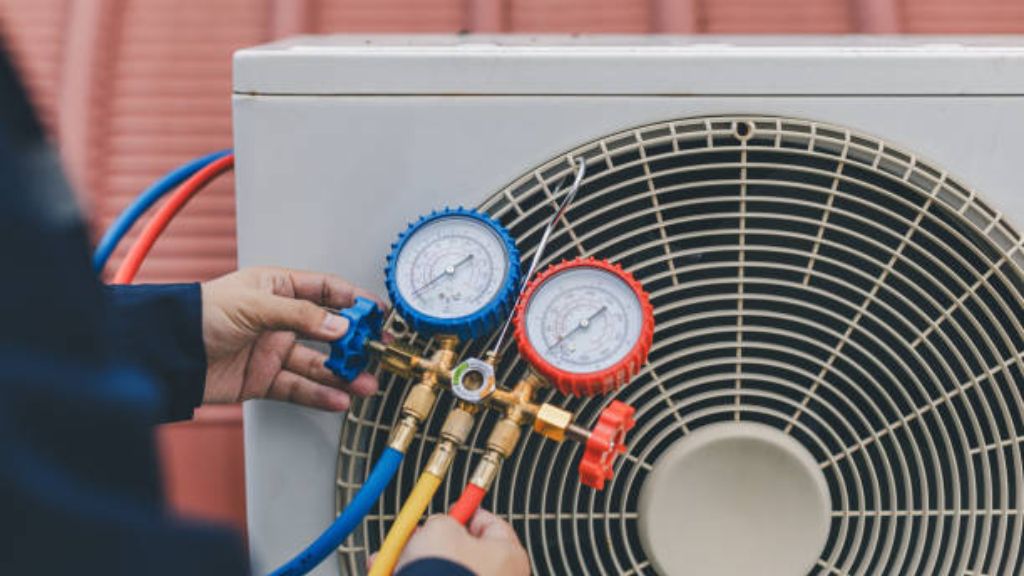
HVAC technician checking refrigerant pressure with a manifold gauge set connected to an outdoor air conditioning condenser unit.

Top Signs Your AC Needs Professional Repair

Your AC typically gives warning signs before it completely stops working. If you notice any of the following issues, it’s time to schedule a professional inspection:

  • Warm air blowing from vents
  • Weak airflow or certain rooms not cooling
  • Grinding, rattling, or hissing noises
  • Sudden increases in energy bills
  • Short cycling (turning on and off frequently)
  • Constant running without reaching the set temperature
  • Water leaks or excess moisture around the unit
  • Musty or burning odors
  • Higher indoor humidity levels

If you’re experiencing one or more of these problems, scheduling professional ac repair in Largo Florida early can prevent more serious and costly damage.

Catching these early can protect your system and preserve reliable air conditioning performance throughout the year.

Warm Air or Weak Airflow

If your AC is blowing warm air or barely pushing air through the vents, it could indicate refrigerant issues, airflow restrictions, or compressor problems. This is one of the clearest signs that your system needs professional attention.

Uneven Cooling or Hot Spots

Are some rooms comfortable, while others feel sticky or warm? Uneven cooling often points to duct issues, blocked vents, or declining system efficiency. Florida homes rely on balanced airflow to stay cool and dry.

Strange Noises (Grinding, Rattling, Hissing)

Your AC should run quietly. Grinding may indicate motor trouble, rattling could mean loose parts, and hissing sometimes signals a refrigerant leak. These noises shouldn’t be ignored—they often signal developing mechanical issues.

Rising Energy Bills

If your electric bill jumps but your cooling habits haven’t changed, your AC could be losing efficiency. When components wear down, the system works harder to produce the same results, increasing energy usage.

Short Cycling or Constant Running

An AC that frequently turns on and off or runs nonstop without properly cooling your home is under stress. This behavior accelerates wear and reduces system lifespan.

Moisture, Leaks, or Drain Issues

Condensation is normal, but pooling water or indoor leaks are not. Largo’s humidity can clog drain lines and create mold risks if not addressed quickly.

Musty or Burning Odors

Musty smells often indicate mold growth, while burning odors can signal electrical problems. Either way, unusual smells are a strong reason to call for service.

High Indoor Humidity

If your home feels muggy even with the AC running, your system may not be removing moisture effectively. Proper humidity control is essential for comfort in Largo’s climate.

Common AC Problems in Florida Homes

Because of our coastal environment, certain issues show up more often in Largo:

Refrigerant Leaks

Leaks reduce cooling performance and can lead to frozen coils. Simply adding refrigerant isn’t enough—the source of the leak must be repaired.

Corrosion & Humidity Damage

Salt air and constant moisture can corrode outdoor components and weaken internal parts over time.

Frozen Coils

Restricted airflow or refrigerant issues can cause ice buildup, which prevents proper cooling.

Electrical Component Failures

Capacitors, contactors, and motors face heavy strain during Florida summers. When they weaken, breakdowns often happen unexpectedly.

Maintaining reliable air conditioning in this climate requires routine care and fast action when symptoms appear.

Repair vs. Replace: How to Decide

If your AC is older and requires frequent repairs, it may be time to evaluate your options. System age, efficiency levels, and recurring issues all play a role in determining whether repair or replacement makes the most sense. If your system is aging or showing multiple warning signs, it’s also smart to stay aware of broader HVAC safety concerns, including the signs of a carbon monoxide leak from a furnace, especially during heating season.

At Weathermakers Air Conditioning & Heating, Inc., we provide honest recommendations based on your home’s specific needs. Our goal is to help you maintain dependable comfort with the most practical solution.

Schedule Professional AC Repair Before It Gets Worse

In Largo’s heat, small AC issues escalate quickly. Acting early can prevent system failure, protect indoor air quality, and keep energy costs under control. Routine maintenance and timely repairs are the key to reliable performance year-round.

If your system is showing any of these warning signs, don’t wait; contact Weathermakers Air Conditioning & Heating today and let our team restore your comfort.

How to Tell If Your Furnace Is Leaking Carbon Monoxide

At Weathermakers Air Conditioning & Heating, Inc., keeping homeowners in Largo, FL, safe and comfortable is a top priority. While furnaces don’t get as much use here as they do up north, they still play an important role during those cooler Florida nights. One hidden danger many homeowners don’t think about is carbon monoxide. Knowing how to spot the warning signs can make a real difference for your family’s safety.

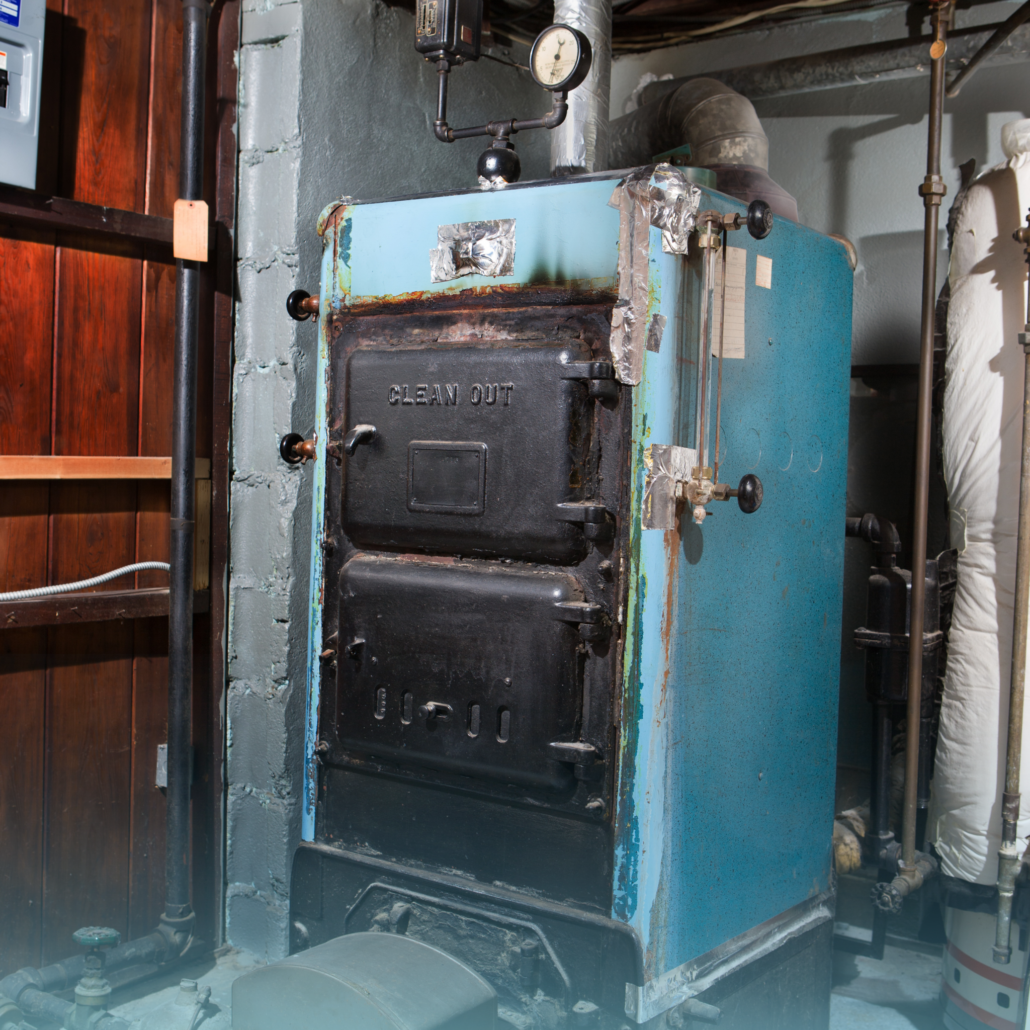
Old gas furnace showing rust and wear, highlighting potential carbon monoxide leak risks in residential heating systems

What Is Carbon Monoxide and Why Furnace Leaks Are Dangerous

Carbon monoxide (CO) is a byproduct of fuel-burning appliances like gas furnaces. The problem? It’s invisible, odorless, and potentially deadly. When a furnace isn’t operating properly, carbon monoxide can leak into your home instead of venting safely outdoors, which is why many homeowners searching for urgent furnace repair near me Largo FL are often dealing with safety concerns, not just comfort issues.

Why Carbon Monoxide Is Hard to Detect Without Proper Warning Signs

Because carbon monoxide has no smell or color, you can’t rely on your senses alone. Awareness is crucial because many homeowners remain unaware of the problem until symptoms manifest or a detector triggers an alarm, which is why working with trusted furnace repair technicians can help identify hidden issues before they become serious safety risks.

Common Causes of Carbon Monoxide Leaks in Furnaces

Carbon monoxide leaks are often caused by cracked heat exchangers, blocked or damaged flue pipes, poor ventilation, or incomplete combustion. Even minor furnace issues can lead to unsafe conditions if left unchecked.

Visual Signs Your Furnace May Be Leaking Carbon Monoxide

Your furnace can give off visual clues when something isn’t right. These signs don’t always confirm a leak, but they should never be ignored.

Burner Flame Color and What It Says About Furnace Safety

A healthy gas furnace flame should burn blue. If you notice yellow or flickering flames, that can indicate incomplete combustion, which may increase carbon monoxide production.

Soot, Rust, and Corrosion Around the Furnace or Vent System

Black soot, rust buildup, or corrosion around your furnace or vent pipes can signal ventilation problems. These conditions may prevent exhaust gases from exiting your home properly.

Excess Moisture and Condensation Near the Furnace

Too much moisture around windows, walls, or the furnace itself can be a sign that combustion gases aren’t venting correctly, especially if condensation wasn’t an issue before.

Physical Symptoms That May Indicate Carbon Monoxide Exposure

Carbon monoxide exposure often feels like the flu at first, without the fever. If multiple people in your home feel unwell at the same time, it’s worth taking seriously.

How Carbon Monoxide Affects Pets Differently Than Humans

Pets tend to show symptoms faster than humans. If your dog or cat becomes lethargic, vomits, or acts unusually tired, it could be an early warning sign of carbon monoxide in the home.

The Role of Carbon Monoxide Detectors in Furnace Safety

Carbon monoxide detectors are your best defense. They alert you before CO levels become dangerous and provide peace of mind when your furnace is running.

Where Carbon Monoxide Detectors Should Be Installed

For best protection, detectors should be placed on every level of your home and near sleeping areas. Regular testing and battery changes are just as important as proper placement.

What to Do Immediately If You Suspect a Carbon Monoxide Leak

If you suspect carbon monoxide, safety comes first.

    • Turn off your furnace if it’s safe to do so

    • Get everyone (including pets) outside into fresh air

    • Call emergency services if symptoms are present

    • Do not re-enter the home until it’s declared safe

When to Call an HVAC Professional for Furnace Inspection

Anytime you notice warning signs, unusual furnace behavior, or a carbon monoxide alarm going off, it’s time to call a professional. Guesswork isn’t worth the risk when it comes to CO.

HVAC problems don’t always come with warning signs, and just as carbon monoxide issues require fast professional attention, having homeowner guidance for sudden AC failures can help you respond confidently when your cooling system unexpectedly shuts down.

How Regular Furnace Maintenance Helps Prevent Carbon Monoxide Leaks

Routine furnace maintenance helps catch small issues before they turn into big safety problems. Annual inspections allow trained technicians to check combustion, venting, and heat exchanger integrity.

Final Thoughts on Protecting Your Home From Carbon Monoxide

Carbon monoxide may be hard to detect, but staying informed and proactive goes a long way. With the right warning signs, working detectors, and regular maintenance, your furnace can operate safely and efficiently.

If you ever have concerns about your furnace or carbon monoxide safety, reach out to Weathermakers Air Conditioning & Heating, Inc. in Largo, FL, and let our experienced team take care of your home.

Largo Air Conditioning Repair: What to Do When Your AC Suddenly Stops Working

HVAC technician using a power drill and tools to repair wiring inside an air conditioning unit.

There’s nothing quite like the shock of realizing your AC has stopped working—especially here in Largo, where the Florida heat shows no mercy. One moment, your home is comfortably cool, and the next, you’re wondering why the air coming out of your vents feels like it came straight from outside. At Weathermakers Air Conditioning & Heating, Inc., we’ve seen such an event happen to homeowners more times than we can count, and we know how quickly a minor concern can turn into a full-blown comfort emergency.

The truth is, air conditioning systems are complex machines with layers of safety mechanisms and sensitive components. When something causes the system to shut down unexpectedly, it’s rarely a coincidence. There’s almost always an underlying issue that requires a trained eye and professional tools to diagnose correctly. Our goal in this article isn’t to teach you how to fix your AC—that’s our job. Instead, we want to help you understand why your AC might stop working, what signs you should pay attention to, and why calling a licensed technician is the smartest and safest next step.

Immediate Steps to Take When Your AC Stops Working in Largo, FL

When your AC suddenly quits, your first instinct may be to panic—or worse, to assume you need to take things apart to figure it out yourself. We strongly recommend the opposite. Air conditioners contain electrical components, refrigerant, and safety switches that can pose a risk if handled incorrectly.

At Weathermakers, we always remind homeowners that the safest and most effective first step is simply to stay calm and pay attention to what the system is doing—or not doing. Listen for unusual sounds, notice whether the thermostat display looks normal, and check if your vents are releasing any air at all. These observations help our technicians narrow down potential causes much faster once we arrive.

Some homeowners are tempted to reset their AC, open panels, or mess with components, but that often leads to more damage or makes the original problem harder to diagnose. The moment you notice your AC isn’t running the way it should, it’s best to shut off the system and reach out to a professional as soon as possible. Anything beyond turning off the system should be left to someone trained to work on HVAC equipment.

Common Reasons Your Air Conditioner Suddenly Shuts Down

Air conditioners rarely stop working without reason. Over the years, we’ve seen a handful of issues consistently show up in homes across Largo, Clearwater, Seminole, and surrounding areas. Some problems are minor; others can lead to costly repairs if ignored. What they all have in common is this: they require a professional’s expertise to diagnose properly.

Here are some of the most frequent causes we encounter when a system shuts down unexpectedly:

  • Electrical or control board issues that interrupt communication between components

  • Refrigerant leaks, which cause pressure drops and trigger system shutdown

  • Clogged condensate drain lines, which can trip safety switches

  • Failed capacitors are preventing the system from starting

  • Overheating compressors, often caused by deeper mechanical issues

  • Blower motor failures, leading to reduced or no airflow

  • Dirty or blocked evaporator coils can cause freezing and shutdowns

  • Faulty safety switches are doing their job to prevent system damage

  • Aging or worn-out components throughout the system

  • Severe airflow restriction, which can stress multiple parts of the AC

These issues often present themselves long before the system finally shuts down. You may notice strange sounds, inconsistent cooling, unusual smells, high indoor humidity, or uneven temperatures developing throughout different rooms. When problems like these appear, it’s important to rely on the best AC repair company in Largo for uneven cooling and high humidity problems so the issue can be diagnosed correctly before it becomes a major repair. Many homeowners ignore these early signs, assuming the unit will “figure itself out,” but AC problems rarely resolve on their own.

When to Call a Professional Largo Air Conditioning Repair Technician

The moment your AC stops working—or even starts behaving differently—it’s time to call in a professional. Modern HVAC systems are designed with layers of technology and safety features. Without proper diagnostic tools and specialized training, it’s nearly impossible to identify the true cause of the issue.

Some homeowners delay calling because they hope the system will start working again on its own. While it may temporarily kick back on, the underlying issue doesn’t disappear. The result? This problem can lead to a more significant and costly repair in the future. In some cases, continuing to run a failing air conditioner can lead to complete system failure or damage to critical parts like the compressor.

A licensed technician from Weathermakers Air Conditioning & Heating, Inc. can properly assess the system, test electrical components, check for refrigerant issues, evaluate airflow, inspect coils, and ensure all safety controls are functioning correctly. We have the equipment needed to identify the cause quickly, safely, and accurately—something DIY efforts simply cannot match.

If you’re in Largo or the surrounding area, you should call a professional right away if you notice:

  • The AC suddenly stops cooling

  • The system frequently turns on and off

  • Ice forms on the refrigerant lines

  • You smell burning, musty, or unusual odors

  • You hear buzzing, clicking, grinding, or rattling

  • The thermostat seems unresponsive

  • Warm air blows from vents

  • Water is leaking around the indoor unit

These symptoms are signs of more profound issues that need immediate attention.

Largo Air Conditioning Repair: Stay Cool When Your AC Fails—Call Weathermakers Right Away!

When your air conditioner shuts down without warning, it can turn a comfortable Florida day into a stressful situation in a flash. You shouldn’t have to guess what went wrong, worry about damaging your system, or attempt risky DIY fixes that create bigger—and more expensive—problems. At Weathermakers Air Conditioning & Heating, Inc., we’re here to remove the uncertainty, restore your comfort, and protect the long-term health of your AC system.

Our certified technicians know exactly what to look for, how to diagnose issues safely, and how to get your cooling system running again with precision and care. Don’t let a broken AC disrupt your home any longer, especially in Largo’s heat. Act now and get fast, reliable, professional help from the team that homeowners have trusted for decades.

Call us or schedule your repair today, and let us get your home cool, comfortable, and stress-free again—starting right now.

Experiencing issues with your system’s compressor specifically? Our detailed article, Why Your AC Compressor Isn’t Turning On: Causes, Signs, & When to Call a Professional, breaks down the most common warning signs and explains why prompt, professional attention is crucial.

Why Your AC Compressor Isn’t Turning On — Causes, Signs & When to Call a Professional

When your air conditioner suddenly stops cooling and the outdoor unit seems quiet, panic can set in quickly—especially during a blazing Florida summer. At Weathermakers Air Conditioning & Heating, Inc. we know just how frustrating it feels when your AC compressor won’t turn on.

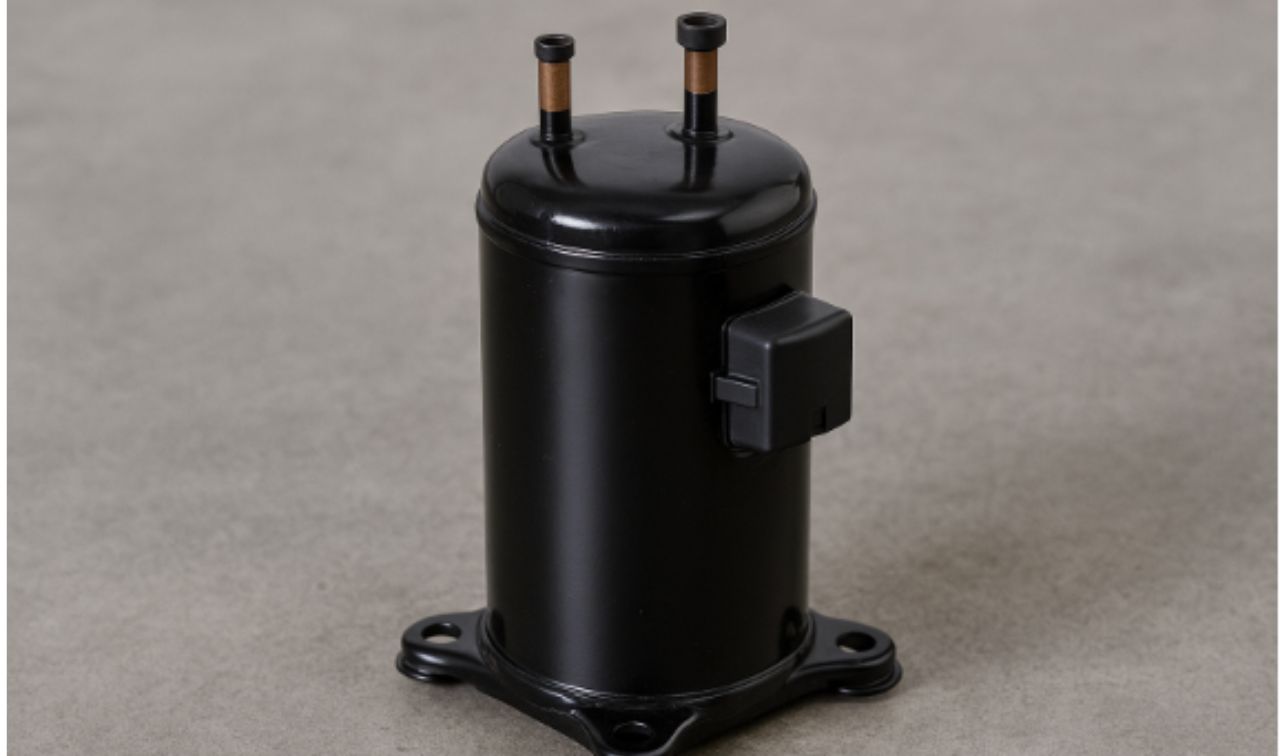
The compressor is the “heart” of your cooling system, pumping refrigerant and helping move heat out of your home. When it fails, your entire system stalls. Let’s break down what could be going wrong and when it’s time to let our experienced Largo HVAC technicians step in.

ac repair largo

Weathermakers Air Conditioning

Common Signs Your AC Compressor Is Failing

Before your AC compressor gives up completely, it often sends warning signals. Knowing what to look for can help you catch problems early and avoid bigger repair bills later.

  • Warm air blowing from vents instead of cool, refreshing air.
  • Unusual noises like rattling, grinding, or clicking when your AC starts up.
  • Frequent tripping of circuit breakers when the air conditioner kicks on.
  • Visible refrigerant leaks or pooling liquid near your outdoor unit.
  • Weak or uneven airflow even when the thermostat is set correctly.

If you notice one or more of these symptoms, it’s a good sign your compressor is struggling and needs professional attention.

Top Reasons Your AC Compressor Won’t Kick On

There’s no single cause behind a non-starting compressor—sometimes it’s electrical, sometimes mechanical, and other times it’s just old age. In Florida’s humid climate, AC systems work overtime, and even the best ones can wear down over time.

Common causes include:

  • Low refrigerant due to leaks
  • Faulty capacitors or contactors
  • Dirty coils that prevent heat release
  • Clogged air filters restricting airflow
  • Thermostat malfunctions
  • Compressor motor failure

Some of these are quick fixes. Others, like internal motor damage or major refrigerant leaks, require licensed professionals to diagnose and repair safely.

Electrical Issues That Prevent Compressor Startup

We see this one a lot in Largo homes: the system hums, the fan might spin, but the compressor never kicks on. Nine times out of ten, it’s an electrical problem.

Capacitors, relays, and contactors are the electrical “boosters” that help the compressor start. When they fail, the unit can’t draw enough power to get going. Sometimes breakers or fuses trip because of power surges or overheating.

These issues may sound small, but handling live electrical components is not a DIY job—it’s dangerous and can cause more damage if done incorrectly. Our certified HVAC techs have the right tools and training to test and replace these parts safely.

Refrigerant and Airflow Problems Affecting Performance

Your compressor needs the right pressure levels and airflow to run properly. Low refrigerant (from leaks) or blocked airflow (from dirty filters or coils) can shut down the system altogether.
Too little refrigerant triggers low-pressure safety switches, while restricted airflow can cause pressure to spike dangerously high. Either way, your compressor shuts off to protect itself from burning out.

If your system seems to start but never cools, it could be a refrigerant issue—and only EPA-certified HVAC professionals can legally handle and recharge refrigerant safely.

Mechanical Failures and Age-Related Wear

Even the toughest compressor won’t last forever. Most air conditioning compressors last about 10 to 15 years, but Florida’s salty air, high humidity, and constant use can shorten that lifespan.
Mechanical wear, internal valve failure, or damaged pistons can all stop your compressor from starting. If your system is older and showing multiple issues, replacing the compressor—or even upgrading your entire AC unit—may be more cost-effective in the long run.

The Dangers of Ignoring Compressor Problems

When your compressor won’t start, ignoring it doesn’t make it better. Running your system in this condition can cause:

  • Overheating and electrical shorts
  • Burned-out wiring or contactors
  • Increased energy bills due to system strain
  • Total compressor failure requiring full replacement

Catching these issues early with professional diagnostics often saves hundreds—or even thousands—of dollars in future repairs.

Why DIY Fixes Can Make Things Worse

We know how tempting it is to search for quick fixes online. But here’s the truth: compressors involve high voltage, pressurized refrigerant, and complex circuitry. Attempting to fix it yourself can cause electric shock, refrigerant exposure, or voided warranties.

At Weathermakers, we’ve seen many well-intentioned DIY repairs end up costing homeowners more in the long run. It’s always better—and safer—to have an experienced HVAC professional inspect the system first.

When to Call a Licensed HVAC Professional

Here’s a quick list to help you decide when to bring in a pro:

  • Circuit breakers keep tripping when the AC starts
  • You see ice forming on the coils or refrigerant lines
  • Warm air continues to blow from vents
  • You notice refrigerant leaks around the unit
  • Your AC runs constantly but never cools the home
  • The outdoor unit hums but the compressor won’t engage

If any of these sound familiar, it’s time to call Weathermakers Air Conditioning & Heating, Inc.. We’ll inspect the unit, pinpoint the problem, and get your cooling back fast.

What to Expect During Professional Diagnosis and Repair

When our technicians arrive, we bring the tools and experience to find the real cause—not just the symptoms.
We’ll check:

  • Refrigerant pressures using precision gauges
  • Electrical continuity with a multimeter
  • The capacitor, contactor, and control board operation
  • Compressor amperage draw and safety switch function

Once we’ve identified the issue, we’ll explain your options clearly and upfront. Whether it’s a simple capacitor swap or a more involved compressor replacement, you’ll always know what’s happening before we proceed.

Repair vs. Replacement: Making the Right Choice

It’s never fun to face this decision, but sometimes replacing your compressor—or even the entire AC system—makes more sense.

If your system is over 12 years old, has repeated issues, or uses the discontinued R-22 refrigerant, upgrading could save money in the long run. Newer systems with R-410A refrigerant are more efficient, environmentally friendly, and can significantly reduce energy bills.

Our team can walk you through the pros and cons of repair versus replacement, helping you make the best decision for your home and budget.

Long-Term Benefits of Professional Maintenance

Regular professional maintenance is the best way to prevent your compressor from failing prematurely. At Weathermakers, we recommend scheduling seasonal tune-ups that include:

  • Cleaning condenser and evaporator coils
  • Checking refrigerant pressure and system operation
  • Inspecting electrical connections and safety switches
  • Replacing filters and calibrating thermostats

Routine maintenance can extend your system’s lifespan, improve energy efficiency, and help you catch small issues before they turn into expensive repairs.

Cost Factors: What Influences AC Compressor Repairs

Compressor repair costs can vary depending on several factors:

  • The age and model of your AC unit
  • Whether it’s a single-stage or variable-speed system
  • The cost of replacement parts and refrigerant type
  • Labor involved in accessing and replacing components

While it might be tempting to delay service, small electrical or refrigerant issues can escalate into full system failures. Getting your system checked early helps avoid a much larger bill down the road

Tips to Prevent Future Compressor Issues

You can’t stop wear and tear completely, but a few smart habits go a long way toward preventing compressor breakdowns:

  • Keep your air filters clean and replace them every 1–3 months.
  • Schedule professional HVAC tune-ups twice a year.
  • Make sure your outdoor condenser stays clear of debris and plants.
  • Watch for sudden changes in energy bills or cooling performance.
  • Call for service immediately when you notice warm air or unusual noises.

A little preventive care keeps your compressor running smoothly and your family comfortable all year long.

Final Recommendation: Call a Certified HVAC Technician

If your AC compressor isn’t kicking on, don’t sweat it—literally. The best solution is to call a certified HVAC professional to safely inspect, diagnose, and repair the issue before it worsens.

At Weathermakers Air Conditioning & Heating, Inc. we’ve proudly served Largo, FL, and surrounding communities for years with honest, reliable service and expert craftsmanship. Whether you need a quick repair, a full system tune-up, or a new AC installation, our team is here to keep your home cool and comfortable.

Don’t wait for the Florida heat to take over—reach out to Weathermakers Air Conditioning & Heating, Inc. today. Our certified Largo HVAC experts will inspect your system, pinpoint the issue, and restore your home’s comfort fast.

Air Conditioner Maintenance in Largo, FL: Why Professional Care Matters

The Importance of AC Maintenance for Comfort and Savings

Living in Largo, FL means long, humid summers and heavy reliance on your air conditioner. At Weathermakers Air Conditioning & Heating, Inc., we know how frustrating it feels when your AC fails in the middle of a scorching afternoon. The truth is, Florida air conditioners work harder than in many other regions—and just like your car, they need routine maintenance to perform at their best.

Regular tune-ups don’t just keep your home cool and comfortable; they also help you save money on energy bills, prevent costly breakdowns, and extend the life of your system. Let’s explore why professional air conditioner maintenance matters, what it involves, and why partnering with experts is always the smarter choice.

ac maintenance

Weathermakers Air Conditioning

Common AC Maintenance Needs Every Homeowner Faces

Your AC system is made up of many components that need attention to work efficiently. Here are the most common areas that benefit from regular care:

  • Filter Replacement & Air Quality
    Clogged filters don’t just restrict airflow—they reduce efficiency and worsen indoor air quality. Replacing them regularly keeps your system running smoothly and your air healthier.
  • Proper Airflow & Ventilation
    Weak airflow often points to blocked registers, dirty ducts, or other restrictions. Without good airflow, your system strains to cool your home evenly, wasting energy in the process.
  • Indoor & Outdoor Unit Care
    Outdoor condenser units collect dirt, leaves, and debris, while indoor air handlers can develop moisture issues. Without proper cleaning, both are vulnerable to breakdowns.
  • Ductwork & Insulation
    Leaky ducts are one of the biggest causes of wasted energy, allowing cool air to escape before it reaches your rooms. Proper insulation and sealed ducts ensure efficient cooling.
  • Thermostat Calibration
    If your thermostat isn’t properly calibrated, your AC may cycle incorrectly or fail to keep you comfortable. Professionals make sure it responds accurately to your settings.

What Technicians Do During a Professional Tune-Up

A professional maintenance visit goes far beyond basic cleaning. At Weathermakers Air Conditioning & Heating, Inc., our trained technicians perform a detailed checklist to keep your AC in peak condition:

  • Comprehensive system inspection to catch issues early.
  • Coil and condensate drain cleaning to prevent freezing, leaks, and water damage.
  • Refrigerant level checks to ensure efficient cooling.
  • Electrical and wiring inspections for safety and reliability.
  • Lubrication and adjustment of moving parts to reduce wear and tear.

This thorough service protects your system, boosts efficiency, and gives you peace of mind during Florida’s hottest months.

Risks of Skipping Professional Maintenance

It’s easy to put off AC maintenance—until you’re left sweating in a hot house or staring at a repair bill. Neglecting routine care can lead to:

  • Higher energy bills as your system works harder.
  • A shortened system lifespan, leading to premature replacement costs.
  • Undetected problems, like refrigerant leaks, that worsen over time.
  • Poor indoor air quality from dust, mold, or allergens in your ducts.

In the long run, skipping maintenance almost always costs more than scheduling it.

Benefits of Scheduling Regular Maintenance

Sticking to a professional maintenance plan with Weathermakers Air Conditioning & Heating, Inc. offers lasting rewards, including:

  • Lower monthly utility costs.
  • Longer system lifespan and fewer costly replacements.
  • Fewer emergency breakdowns, even during peak summer.
  • Cleaner, healthier air for your family.

Regular maintenance is truly an investment in your comfort, health, and budget.

Why DIY Isn’t Enough

Changing filters or rinsing your outdoor unit is helpful, but it’s not enough to keep your AC in top shape. Modern air conditioning systems are complex, and improper handling can cause more damage than good. Consider this:

  • Electrical components can be dangerous to handle.
  • Refrigerant requires EPA-certified technicians.
  • Many issues are hidden and only detectable with professional tools and training.

DIY care helps on the surface—but only professional maintenance ensures your AC is fully protected.

Partner with Your Local HVAC Experts

When you choose Weathermakers Air Conditioning & Heating, Inc., you’re not just booking a quick check-up—you’re partnering with a team that understands Florida’s unique climate challenges. Our maintenance services go beyond basic cleaning to deliver comprehensive care, preventative solutions, and reliable comfort.

Final Thought: Protect Your Comfort with Professional AC Maintenance

In Largo, your AC isn’t just another appliance—it’s essential for daily comfort. Taking care of it now prevents stress, saves money, and keeps your family cool when it matters most.

With professional AC maintenance from Weathermakers Air Conditioning & Heating, Inc., you’ll enjoy efficient performance, healthier indoor air, and confidence knowing your system is in expert hands. Don’t wait for a breakdown—schedule your maintenance today and enjoy worry-free cooling all summer long.

What Temperature Should I Set My Thermostat to When on Vacation?

Vacations are meant for relaxing, recharging, and maybe even forgetting what day it is. But before you toss that last pair of flip-flops into your suitcase, there’s one important thing you shouldn’t forget—your thermostat. Setting the right temperature while you’re away can save you money, keep your home in good shape, and give you peace of mind while you’re sipping something tropical.

At Weathermakers Air Conditioning & Heating, Inc., we know how hot and humid things get here in Largo, FL—and we also know the risks of letting your HVAC system work too hard (or not at all) while you’re out of town. So, let’s walk through the best thermostat practices for your next getaway.

smart thermostat

Why Your Thermostat Setting Matters While You’re Away

You might think turning off your HVAC system altogether while you’re on vacation is the ultimate money-saver, but that’s actually not the case. Your HVAC system does more than just keep the air cool or warm—it helps regulate humidity, protect pipes, and maintain overall indoor comfort that your home needs even when you’re not there.

If you set your thermostat wisely, you’ll:

  • Avoid extreme indoor temperatures that can damage belongings
  • Prevent high humidity, which can cause mold and mildew
  • Keep your energy bills lower without sacrificing safety
  • Return to a home that isn’t sweltering or freezing

Bottom line? The right temperature setting is like a babysitter for your house—it keeps everything under control while you’re away.

Ideal Thermostat Settings for Summer Vacations

Here in Largo, summer in Largo doesn’t just knock—it bursts in with intense heat and humidity—it busts it open with a wall of heat and humidity. If you’re heading out for a summer trip, you’ll want to set your thermostat to around 80–85°F. That’s typically 8 to 12 degrees warmer than your usual comfort setting.

This range is the sweet spot: warm enough to reduce your energy bill, but cool enough to prevent your home from turning into a sauna. Your air conditioner will still cycle occasionally, which is great news because it means it’s still doing its job dehumidifying the air.

And remember—if you have houseplants, electronics, or wooden furniture, they’ll appreciate you not turning the place into an oven.

Ideal Thermostat Settings for Winter Vacations

Now, we don’t get brutal winters here in Largo, but if you’re heading somewhere chilly for the holidays, your empty home still needs some heat. During colder months, we recommend setting your thermostat to around 60°F while you’re away.

This keeps your pipes from freezing (especially if a cold snap rolls through) and ensures your home doesn’t become too cold or damp. It also helps maintain steady indoor air quality—yes, even in winter.

If your home has a history of frozen pipes or drafty spots, it’s a good idea to have one of our pros come out and inspect the system before you leave. Prevention is a whole lot easier (and cheaper) than fixing a burst pipe.

Thermostat Recommendations if Pets Stay at Home

Got furry friends hanging back while you’re away? Don’t forget that pets are more sensitive to temperature changes than we are. Whether a sitter is stopping by or your pets are staying solo for short stints, they’ll need a comfortable space too.

  • For dogs and cats in summer: Set the thermostat to 75–78°F
  • In the winter: Keep it around 60–65°F

These ranges are safe and comfy, especially for older pets or those with medical needs. If you’re unsure what’s best for your pet, ask your vet before setting the thermostat. And if you’d like the system to run more efficiently while still staying pet-friendly, we’re happy to help with a pre-trip check-up.

Why You Should Never Turn Off Your HVAC System

We get it—turning off your HVAC system might seem like a great way to save cash while you’re out of town. But trust us—it’s not worth the risk.

Here’s what can happen when your HVAC system is completely shut down:

  • 🦠 Mold and mildew from uncontrolled humidity
  • 🌡️ Extreme indoor temps that can damage electronics or paint
  • 🚰 Frozen pipes (yes, even in Florida if the temps dip suddenly)
  • 🪵 Warped wood floors or furniture
  • 🐜 Uninvited pests and allergens thriving in moist, stagnant air

Instead of shutting it off, let your HVAC system run just enough to circulate air, control moisture, and protect your home’s infrastructure.

How Humidity Control Protects Your Home

Humidity in Florida is no joke, and your AC is your first line of defense against it. When your HVAC system runs, even at higher settings, it continues to pull moisture out of the air.

Letting humidity build up while you’re gone can lead to:

  • Musty odors
  • Mold growth
  • Peeling paint
  • Swollen doors and woodwork

By keeping your home at a steady temp (around 80–85°F in summer), you’re also keeping humidity in check. And guess what? Your AC won’t need to work too hard to do it.

The Value of Smart Thermostats for Travelers

Heading out for a longer vacation or traveling often for work? A smart thermostat can be your best friend.

With a Wi-Fi-connected thermostat, you can:

  • Adjust your home’s temp remotely from your phone
  • Schedule your AC or heat to kick in before you return
  • Monitor indoor temps and receive alerts for humidity spikes or HVAC issues
  • Even track energy usage while you’re gone

Smart thermostats are easy to use and incredibly efficient, especially in Florida’s unpredictable climate. If you’re not sure which one to choose or how to set it up, our team at Weathermakers is happy to help get one installed and programmed.

Why Pre-Vacation HVAC Maintenance is Critical

One of the most overlooked vacation prep steps? Giving your HVAC system a little TLC before you leave. The last thing you want is to come home to a broken AC unit or find out it shut down while you were gone.

Before your next trip, consider scheduling a quick HVAC check-up with us. It’s an easy way to:

  • Make sure your system runs efficiently
  • Catch potential issues before they become expensive
  • Check thermostat settings and battery backups
  • Ensure clean filters and clear condensate drains

One visit from a pro can save you from a mountain of headaches later.

Call a Professional for Vacation HVAC Prep

Still unsure about what to set your thermostat to before your vacation? Or just want the peace of mind that everything’s working like it should?


Our team at Weathermakers Air Conditioning & Heating, Inc. in Largo, FL has helped countless homeowners prep their systems before extended trips. We’ll make sure your HVAC unit is tuned up, your thermostat is programmed properly, and your home is protected while you’re away.

Final Tips for a Worry-Free Vacation

Here’s a quick checklist before you lock the door and head to the airport:

  • ✅ Set thermostat to 80–85°F in summer, 60°F in winter
  • ✅ Keep pets in mind—set a comfortable range for them
  • ✅ Don’t turn the system off—keep it running moderately
  • ✅ Close blinds and curtains to block sun and heat
  • ✅ Schedule HVAC maintenance ahead of time
  • ✅ Use a smart thermostat for remote adjustments
  • ✅ Unplug unnecessary electronics to save extra energy

Wrapping Up with Our Expert Take: Keep Your Home Safe, Efficient, and Comfortable

Vacations are for unplugging—not stressing about your AC. With a smart thermostat setting and a quick HVAC check before you go, you’ll return to a comfortable, damage-free home every time.

Whether you’re going away for a weekend or a month, a little preparation goes a long way—especially in our Largo heat and humidity.

Before your next trip, give us a call at Weathermakers Air Conditioning & Heating, Inc. We’ll help make sure your system is good to go, so you can focus on enjoying your vacation.

Why Your Window AC Compressor Isn’t Turning On (And What to Do About It)

The Importance of a Working AC Compressor

Let’s be honest—when it’s blazing hot outside and you’re relying on your window AC unit to keep things cool, the last thing you want is for the compressor to quit on you. It’s frustrating, uncomfortable, and can make even simple tasks feel unbearable when your home turns into an oven.

At Weathermakers Air Conditioning & Heating, Inc., we’ve helped plenty of homeowners across Largo, FL deal with compressor issues, especially during our sweltering summers. If your window AC compressor isn’t turning on, don’t sweat it (literally)—we’ll walk you through what might be going wrong, how to recognize the signs, and why calling in a pro is your best move.

AC Repair Largo FL

Weathermakers Air Conditioning & Heating, Inc.

How a Window AC Compressor Works

Think of your compressor as the heart of your air conditioner. It pumps refrigerant through the system, allowing your unit to pull heat from inside your home and release it outdoors.

If the compressor isn’t running, the cooling process comes to a halt. The fan might still be spinning, but you won’t feel any relief from the heat—that’s how essential it is.


Early Signs Your Compressor Might Be Failing

Catching compressor problems early can prevent a full breakdown. Look out for:

  • Warm air coming from the AC even with the fan running

  • The outdoor unit is silent—no clicking, buzzing, or humming

  • Circuit breaker trips frequently when the AC starts

  • Ice buildup on refrigerant lines or evaporator coils

  • Unusual noises like buzzing, rattling, or clicking

If you notice any of these symptoms, hit pause on troubleshooting and call in the pros.


Why Your AC Compressor Isn’t Starting: 8 Common Causes

Several issues could be preventing your compressor from turning on:

  • Power issues – Tripped breakers, blown fuses, or damaged wiring

  • Faulty thermostat – Incorrect settings or a bad thermostat can block signals

  • Capacitor failure – The compressor won’t start without the initial jolt from the capacitor

  • Contactor or relay problems – These electrical components control the power supply

  • Low refrigerant levels – Many units shut off compressors automatically to avoid damage

  • Dirty filters or coils – Poor airflow can cause overheating and system shutdown

  • Pressure switch activation – Pressure outside safe levels will trigger a shutoff

  • End-of-life failure – Most compressors last 10–15 years before wearing out


Urgent Electrical Problems to Watch For

Some AC issues signal deeper electrical dangers. If you notice any of the following, stop using the unit immediately and call a licensed HVAC technician:

  • The breaker trips repeatedly when the AC turns on

  • Blown fuses or visible cord damage

  • Burning smells near the AC

  • Lights dimming when the unit starts—your system may be overloaded


When the Compressor Might Be Beyond Saving

These red flags usually indicate serious compressor failure:

  • The unit runs nonstop but never cools the space

  • The compressor hums but doesn’t start

  • There’s no sound at all from the compressor

  • Oil or ice buildup around the coils—a common refrigerant leak sign


Why DIY Fixes Can Make Things Worse

We get it—DIY videos make it seem easy. But when it comes to high-voltage components like compressors, trying to fix it yourself can:

  • Risk electrocution

  • Cause more damage to your unit

  • Void your warranty

  • Lead to unsafe conditions in your home

Bottom line? When in doubt, call a pro. Your safety is worth it.


Why Call Weathermakers Air Conditioning & Heating, Inc.?

Here’s what you gain when you choose us:

  • Accurate diagnostics – We find the root of the issue fast

  • Safe, expert repairs – Done right the first time

  • Licensed technicians – Experience you can count on

  • Warranty coverage – For both parts and labor

  • Efficiency tuning – We’ll improve system performance

  • Preventative care – Stop small issues before they become costly


Repair vs. Replacement: What Makes More Sense?

We’ll help you make the smart call. Replacement may be better if:

  • Your unit is 10+ years old

  • You’ve had multiple repairs recently

  • Energy bills have spiked

  • Replacement parts are rare or costly

  • Your warranty has expired

Our team gives honest recommendations based on what’s best for you—not just your unit.


Prevent Compressor Issues with Regular Maintenance

Preventative maintenance keeps your AC running longer and stronger. Seasonal tune-ups can:

  • Improve airflow by keeping coils and filters clean

  • Catch worn parts before they fail

  • Maintain correct refrigerant levels

  • Boost efficiency and reduce utility bills

  • 🛠️ Extend your unit’s lifespan

Let us handle the upkeep so you can enjoy a cooler, more comfortable home.


Final Thought: When to Call the Pros

If your window AC compressor isn’t turning on, don’t ignore the warning signs. These aren’t “wait and see” problems—they require professional attention to avoid costly damage or safety risks.

At Weathermakers Air Conditioning & Heating, Inc., we’ve proudly served Largo, FL and surrounding areas for years. We know what it takes to get your home cool again—fast.

Call us today and let’s get your compressor—and your comfort—back on track.

15 Warning Signs That Your Central AC Needs Repair – Don’t Wait Until It Breaks!

Florida heat is no joke, and when your central air conditioning system starts acting up, it’s more than just an inconvenience—it’s a red flag. At Weathermakers Air Conditioning & Heating, Inc., we specialize in central AC repair, and we’ve seen every issue you can imagine. Sometimes, the warning signs are subtle; other times, they’re loud and disruptive—but either way, acting quickly can save you from costly breakdowns.

Weathermakers Air Conditioning

If your AC isn’t performing like it used to, it could be crying out for professional help. Let’s break down the top 15 signs that it’s time for a central AC repair—before the next heatwave rolls in.

1. Blowing Warm or Lukewarm Air

If your system pumps out anything besides cold air, it’s not doing its job. A faulty compressor or low refrigerant could be the culprit.

2. Weak or No Airflow

Is your airflow reduced to a faint breeze? This may indicate a blocked duct, dirty filters, or even a failing motor—all signs that you need central AC repair.

3. Strange or Unusual Noises

Grinding, squealing, or banging? These sounds suggest internal damage that won’t fix itself.

4. Musty or Moldy Odors

A foul smell from your vents may indicate mold in your unit or ductwork, which compromises both comfort and air quality.

5. Water Leaks Around the Unit

A pool of water near your unit could signal a clogged condensate drain or refrigerant leak—serious issues requiring a technician’s attention.

6. Excess Humidity Indoors

Your central AC should regulate both temperature and humidity. If your home feels muggy, it’s not functioning correctly.

7. Short Cycling (Rapid On-Off Cycling)

If your AC kicks on and off every few minutes, it’s straining the system and your utility bill. A professional inspection is critical.

8. Unexpected Spikes in Energy Bills

If your usage is the same but your bill isn’t, your central AC might work overtime to compensate for internal inefficiencies.

9. Uneven Cooling from Room to Room

If your bedroom feels like an icebox and your kitchen like an oven, improper zoning or duct issues may be to blame.

10. Failure to Turn On

If your central AC doesn’t power up or fails to deliver cool air, there could be a blown fuse, thermostat problem, or compressor issue.

11. Old or Outdated AC Unit

Central AC systems older than 10-15 years may struggle to keep up with demand—and can cost more in repairs than they’re worth.

12. Thermostat Malfunctions

If your thermostat doesn’t reflect the real temperature or doesn’t communicate with the system, it could create cooling chaos.

13. Refrigerant Leaks or Low Levels

Leaking refrigerant not only degrades performance—it’s harmful to the environment and should be addressed immediately.

14. Dirty or Blocked Components

Dust and debris on internal parts—like the evaporator coil or air filters—can reduce efficiency and cause mechanical strain.

15. Frequent Repairs

If you call for service every few weeks, your system waves a white flag. A comprehensive central AC repair (or replacement) might be more cost-effective.

Quick Recap: Red Flags for Central AC Repair

  • Blowing warm air
  • Weak or inconsistent airflow
  • Loud or odd noises
  • Musty or moldy smells
  • Visible water leaks
  • Indoor humidity spikes
  • Rising energy bills
  • Uneven room temperatures
  • Short cycling
  • Complete failure to turn on

Don’t Wait for a Breakdown—Schedule Central AC Repair in Largo, FL Today!

Ignoring problems can lead to complete system failure or even health hazards. At Weathermakers Air Conditioning & Heating, Inc., we offer expert central AC repair services in Largo, FL, backed by decades of experience and a team of certified technicians. Whether your unit is making strange noises, leaking, or not keeping up with the heat, we’re here to help.

Call Weathermakers Air Conditioning & Heating, Inc. today to schedule your central AC repair—and stay cool no matter how hot it gets outside.

© 2025 All Rights Reserved. - License #CAC 057624 | Weathermakers Air Conditioning & Heating, Inc. | 6496 126th Avenue North, Largo FL, 33773 | 727-576-9211 | Largo FL