

How to Tell If Your Furnace Is Leaking Carbon Monoxide
At Weathermakers Air Conditioning & Heating, Inc., keeping homeowners in Largo, FL, safe and comfortable is a top priority. While furnaces don’t get as much use here as they do up north, they still play an important role during those cooler Florida nights. One hidden danger many homeowners don’t think about is carbon monoxide. Knowing how to spot the warning signs can make a real difference for your family’s safety.
What Is Carbon Monoxide and Why Furnace Leaks Are Dangerous
Carbon monoxide (CO) is a byproduct of fuel-burning appliances like gas furnaces. The problem? It’s invisible, odorless, and potentially deadly. When a furnace isn’t operating properly, carbon monoxide can leak into your home instead of venting safely outdoors, which is why many homeowners searching for urgent furnace repair near me Largo FL are often dealing with safety concerns, not just comfort issues.
Why Carbon Monoxide Is Hard to Detect Without Proper Warning Signs
Because carbon monoxide has no smell or color, you can’t rely on your senses alone. Awareness is crucial because many homeowners remain unaware of the problem until symptoms manifest or a detector triggers an alarm, which is why working with trusted furnace repair technicians can help identify hidden issues before they become serious safety risks.
Common Causes of Carbon Monoxide Leaks in Furnaces
Carbon monoxide leaks are often caused by cracked heat exchangers, blocked or damaged flue pipes, poor ventilation, or incomplete combustion. Even minor furnace issues can lead to unsafe conditions if left unchecked.
Visual Signs Your Furnace May Be Leaking Carbon Monoxide
Your furnace can give off visual clues when something isn’t right. These signs don’t always confirm a leak, but they should never be ignored.
Burner Flame Color and What It Says About Furnace Safety
A healthy gas furnace flame should burn blue. If you notice yellow or flickering flames, that can indicate incomplete combustion, which may increase carbon monoxide production.
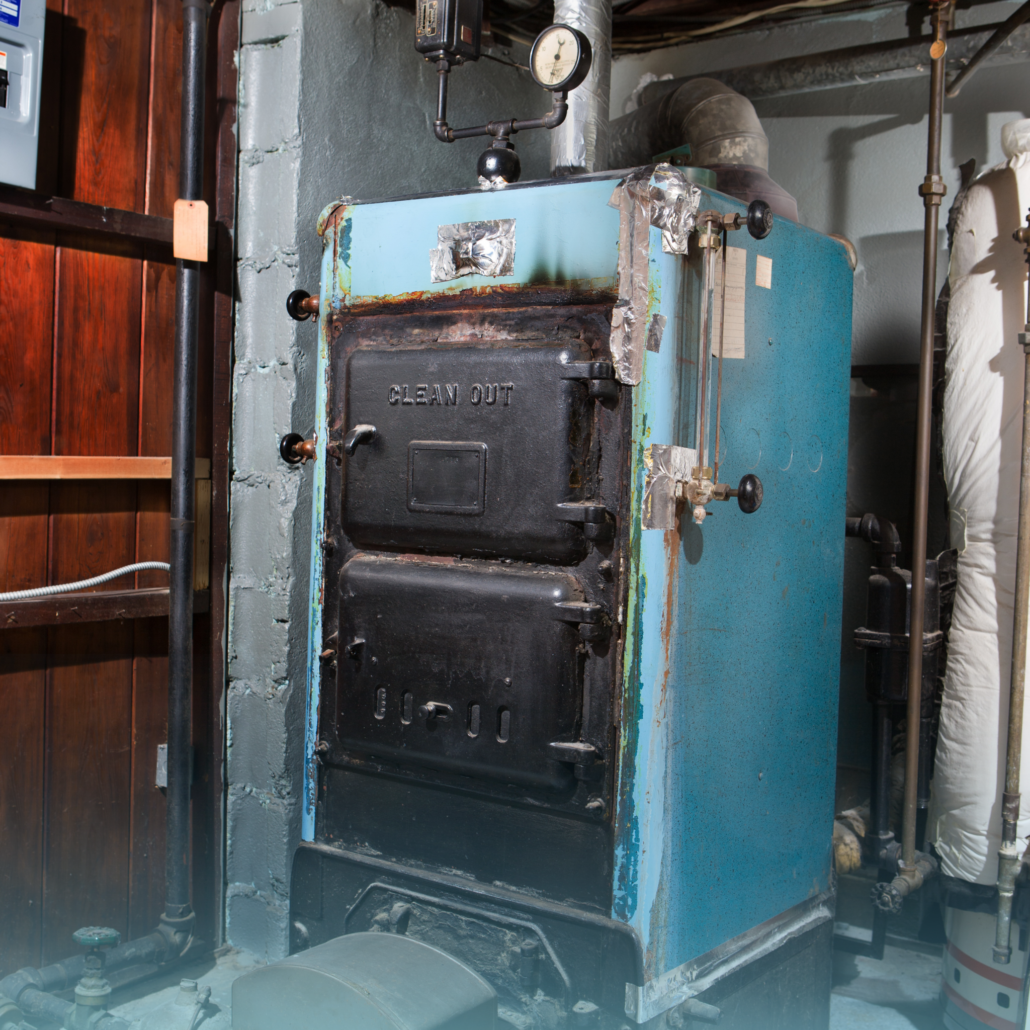
Soot, Rust, and Corrosion Around the Furnace or Vent System
Black soot, rust buildup, or corrosion around your furnace or vent pipes can signal ventilation problems. These conditions may prevent exhaust gases from exiting your home properly.
Excess Moisture and Condensation Near the Furnace
Too much moisture around windows, walls, or the furnace itself can be a sign that combustion gases aren’t venting correctly, especially if condensation wasn’t an issue before.
Physical Symptoms That May Indicate Carbon Monoxide Exposure
Carbon monoxide exposure often feels like the flu at first, without the fever. If multiple people in your home feel unwell at the same time, it’s worth taking seriously.
How Carbon Monoxide Affects Pets Differently Than Humans
Pets tend to show symptoms faster than humans. If your dog or cat becomes lethargic, vomits, or acts unusually tired, it could be an early warning sign of carbon monoxide in the home.
The Role of Carbon Monoxide Detectors in Furnace Safety
Carbon monoxide detectors are your best defense. They alert you before CO levels become dangerous and provide peace of mind when your furnace is running.
Where Carbon Monoxide Detectors Should Be Installed
For best protection, detectors should be placed on every level of your home and near sleeping areas. Regular testing and battery changes are just as important as proper placement.
What to Do Immediately If You Suspect a Carbon Monoxide Leak
If you suspect carbon monoxide, safety comes first.
-
-
Turn off your furnace if it’s safe to do so
-
Get everyone (including pets) outside into fresh air
-
Call emergency services if symptoms are present
-
Do not re-enter the home until it’s declared safe
-
When to Call an HVAC Professional for Furnace Inspection
Anytime you notice warning signs, unusual furnace behavior, or a carbon monoxide alarm going off, it’s time to call a professional. Guesswork isn’t worth the risk when it comes to CO.
HVAC problems don’t always come with warning signs, and just as carbon monoxide issues require fast professional attention, having homeowner guidance for sudden AC failures can help you respond confidently when your cooling system unexpectedly shuts down.
How Regular Furnace Maintenance Helps Prevent Carbon Monoxide Leaks
Routine furnace maintenance helps catch small issues before they turn into big safety problems. Annual inspections allow trained technicians to check combustion, venting, and heat exchanger integrity.
Final Thoughts on Protecting Your Home From Carbon Monoxide
Carbon monoxide may be hard to detect, but staying informed and proactive goes a long way. With the right warning signs, working detectors, and regular maintenance, your furnace can operate safely and efficiently.
If you ever have concerns about your furnace or carbon monoxide safety, reach out to Weathermakers Air Conditioning & Heating, Inc. in Largo, FL, and let our experienced team take care of your home.
Leave a Reply
Want to join the discussion?Feel free to contribute!