Why Preventive HVAC Maintenance Is Essential in Florida

The Value of Preventive HVAC Maintenance in Florida
Weathermakers Air Conditioning

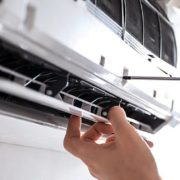
We all know how hot things get during the summer living in Florida—and let’s be real, there’s nothing more miserable than your air conditioner failing on a scorching hot summer day. At Weathermakers Air Conditioning & Heating, we’ve seen it all, and one thing is clear: preventive maintenance is the unsung hero of reliable home comfort. It’s not just about staying cool (although that’s a big part); it’s also about protecting your investment, saving on energy bills, and avoiding surprise breakdowns.

The Year-Round Demands on Florida HVAC Systems

Your HVAC system doesn’t get much of a break in Florida. While other areas of the country get to have a mild spring or fall, our systems are working hard at work almost year-round, cooling us during the summer and warming us up during the occasional winter cold snap. That type of work wears on it; if it’s not properly cared for, your system might run on borrowed time.

Key Benefits of Preventive Maintenance

There are many good reasons why having your HVAC serviced regularly is one of the smartest things you can do for your house. Here’s a summary of what happens when you stick to those maintenance visits:

  • Longer life for the system: Proper care keeps your system up and running in the long term.
  • Smaller bills – An efficient, clean system doesn’t need as much power to get the same job done.
  • Fewer breakdowns: Catching issues early keeps minor problems from becoming big ones.
  • Better indoor air quality: Clean filters and coils mean cleaner air for your family.
  • Peace of mind: You’ll know your system is ready when needed.

The Role of Certified HVAC Professionals

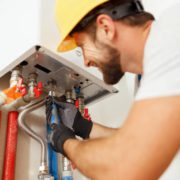
Okay, being nosy under the hood may be tempting, but we assure you—it’s worth leaving it to the professionals. Our Weathermakers technicians are certified, trained, and armed with the latest equipment and know-how. We know what to look for in warning signs that the average homeowner may not see and how to repair them before they cost you additional money or comfort.

Why DIY Isn’t Enough for System Longevity

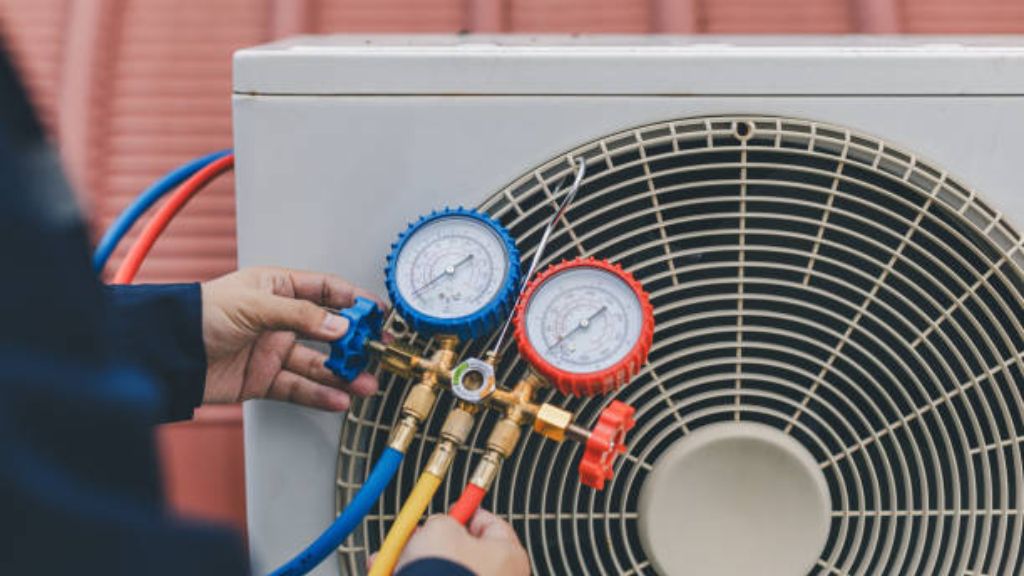
You wouldn’t neglect an oil change for your vehicle, would you? Well, your HVAC system labors even more in Florida’s weather. While filter changes are a good beginning, DIY care doesn’t encompass the complete range of your system’s requirements. A trained eye is required to keep everything in optimal condition, from coil cleaning and refrigerant verification to thermostat adjustment and airflow measurement.

Preventive Maintenance Plans that Make a Difference

We proudly provide tailored maintenance programs based on the requirements of your home. Whether you have a newer home or are working with an older system, our programs feature bi-annual tune-ups, priority scheduling, and extensive system checks. And with our local presence here in Largo, you can expect personalized service from a team that knows your community and is aware of the distinctive needs of Florida living.

Selecting the Right Maintenance Schedule for Your System

We advise twice-a-year preventive maintenance—before summer starts and in the cold season. This way, your AC and heating parts will be ready to go whenever you need them. Older systems or households with high usage may require extra checks, and we are always here to assist you with figuring out what works best.

Call a Professional for Preventive HVAC Maintenance

The bottom line? Don’t wait for something to go wrong. Preventive maintenance is like health insurance for your HVAC system—it keeps things running smoothly, avoids emergencies, and saves you money over time. It’s not just a recommendation; it’s a must for every Florida homeowner who wants to stay comfortable and worry-free.

Call us today at Weathermakers Air Conditioning & Heating and let us help you protect your comfort all year long!
 

Should I Repair or Replace My AC If It’s Not Cooling? – A Guide for Homeowners in Largo, FL

Few things are more frustrating during a humid Largo, FL summer than an air conditioner that’s running—but not cooling. This isn’t just an inconvenience; it’s a serious hit to your home comfort. When this happens, many homeowners are left wondering whether the issue calls for a simple repair or a full system replacement. While the urge to troubleshoot it yourself is understandable, AC systems are complex, and what seems like a minor issue can often signal a deeper problem. The best way to protect your investment and restore your comfort is to contact a licensed HVAC professional who can accurately assess your unit and recommend the most cost-effective solution.

Signs Your AC Isn’t Cooling Properly

When your system isn’t delivering the cool air it should, it indicates something is wrong. Even if the unit is still running, these symptoms shouldn’t be ignored. If you’ve wondered, why is my ac running but not cooling?”—you’re not alone. It’s one of the most common concerns homeowners face, especially during the peak of summer.

Common Symptoms That Require Professional Attention

  • Warm air blowing from vents despite the thermostat being set to cool
  • Constant operation without ever reaching the desired temperature
  • Rising energy bills due to a system straining to function efficiently
  • Uneven cooling—some rooms are much warmer than others
  • Unusual noises or smells coming from the unit upon startup

Each of these signs points to a system that’s no longer working as it should. These issues can stem from a range of problems, including restricted airflow, refrigerant leaks, electrical malfunctions, or aging components. Regardless of the cause, it’s essential to contact an experienced HVAC technician for a full inspection. Attempting to diagnose or fix these problems without proper tools and training can be ineffective—or even dangerous.

When Is It Time to Replace Your AC?

While many AC issues can be repaired, there comes a point where replacement is the smarter financial and functional decision. Here are a few key indicators that you may need a new unit:

  • Your system is 10 to 15 years old: Most air conditioners have a lifespan of around 10–15 years. If your unit is within or beyond that range, it may be running on borrowed time, especially if it hasn’t been maintained regularly.
  • You’re constantly scheduling repairs: One repair may be reasonable, but if you’re calling a technician every season, you’re spending more on temporary fixes than you would on a reliable new system.
  • Major parts have failed: If your compressor fails or you have a major refrigerant leak, the cost of repair can approach or exceed the cost of replacement.
  • Energy bills keep climbing: Older systems lose efficiency, even after repairs. Newer models are designed to use less electricity and cool your home more effectively—especially important in Florida’s intense heat.

A professional HVAC technician can provide a detailed assessment to help you weigh the condition of your current unit against the cost and benefits of installing a modern, energy-efficient system.

Repair vs. Replace: What to Consider

Deciding whether to repair or replace your air conditioner should always involve input from a licensed HVAC contractor. It’s not just about resolving the immediate issue—it’s about making the smartest long-term decision for your comfort and your wallet. If your AC unit is under 10 years old, has had a few issues, and the repair is minor, such as a faulty capacitor or dirty coil, a professional repair may be all that’s needed. However, if the repair cost is significant—typically over 50% of the price of a new unit—or if breakdowns are becoming routine, replacement becomes the more cost-effective route.

Energy efficiency is also a key factor to weigh. Older AC units tend to consume more electricity and struggle to keep up with demand, especially in hot, humid climates like Largo, FL. Upgrading to a high-efficiency system may come with a larger initial investment, but it can deliver substantial savings on monthly energy bills. Many modern systems also include smart features and warranties that increase reliability, convenience, and long-term value.


Make the Right Choice for Long-Term Comfort and Efficiency

Whether your AC is showing signs of age or just not doing its job, figuring out the right next step doesn’t have to be stressful. At Weathermakers Air Conditioning & Heating, we’ve helped countless Largo homeowners weigh their options and make smart choices for their comfort and wallets. Our experienced techs are here to diagnose your system, explain your options clearly, and take care of the work—no guesswork, no pressure.

If your AC’s not cooling like it should, don’t sweat it—reach out to Weathermakers Air Conditioning & Heating today, and let’s get your comfort back on track!

Why Your New AC Compressor Might Not Be Working

Nothing is more annoying than a new air conditioner compressor that isn’t working. You’re expecting cold air, but the machine doesn’t work or won’t start. The compressor is one of the most crucial parts of your air conditioning system since it circulates refrigerant and enables cooling. When a system fails, the entire system is negatively impacted. Given how annoying this can be, let’s look at the common reasons why compressors malfunction and potential fixes from Weathermakers Air Conditioning & Heating.

Understanding Your AC Compressor’s Role in Cooling

The central part of the system is an AC compressor, not merely another part. To discharge heat outdoors, the refrigerant gas is compressed to raise its temperature and pressure before passing through the condenser coils. Thanks to this procedure, your house stays cool. Nothing can restore adequate cooling if the compressor fails, not even fan or thermostat adjustments. Proper maintenance is especially important in warm climates like Largo, FL, where AC systems work harder year-round.

When a compressor is operating properly, it should be silent and efficient. It is an issue if it does not maintain cooling cycles, makes strange noises, or starts up. Ignoring these early warning indicators could result in a complete system failure. Knowing the compressor’s operation makes it easier to spot problems before they get worse and require expensive repairs.

Electrical Issues That Prevent a New Compressor from Running

Even with new devices, issues with the power supply are frequently the cause of compressor failure. Bad wiring, a blown fuse, or a tripped breaker could cause the system to completely shut down. A small power outage can stop the compressor from beginning because it often needs a lot of electricity. Regular maintenance, including checking electrical components and knowing how to clean vent covers, can help prevent system strain.

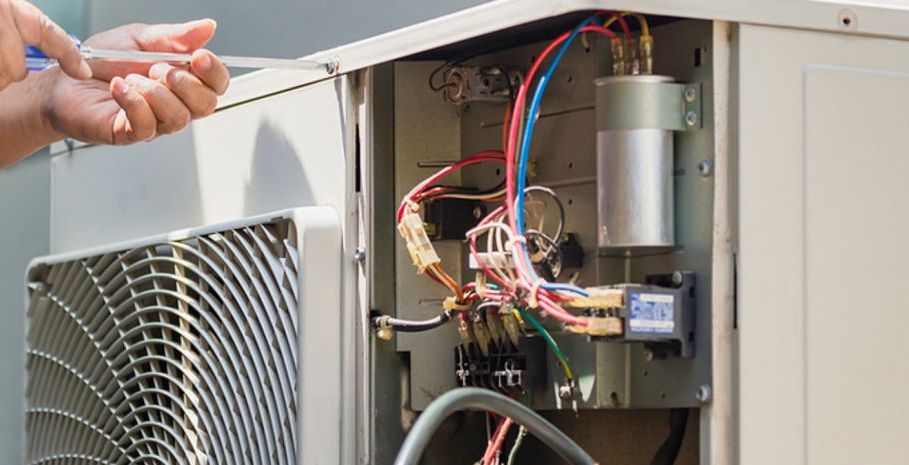
Defective wiring is another common reason. The compressor might not get the voltage it needs to operate if the electrical connections are made incorrectly. The capacitor, which aids in starting the compressor, can occasionally be damaged or positioned incorrectly. To maintain safety and stop more system damage, electrical issues should always be handled by a specialist.

Refrigerant Levels and Their Impact on Compressor Performance

For a compressor to function effectively, the proper amount of refrigerant is needed. Inappropriate refrigerant charge during system installation may cause the compressor to overwork itself, resulting in overheating and early failure. The compressor may short cycle or not start at all due to low refrigerant levels, which are frequently caused by leaks.

The compressor would have to work harder than necessary if the system was overcharged since it might produce too much pressure. This higher strain may lead to rapid component degradation. Unbalanced refrigerant levels reduce cooling power and increase energy costs since the system as a whole struggles to operate efficiently. Proper refrigerant management is essential to an AC compressor working at peak efficiency.

Installation Mistakes That Cause Immediate Compressor Failure

Even though a brand-new AC compressor should function flawlessly, installation errors could result in problems immediately. Internal harm may eventually result from vibrations from a compressor that is not securely fixed or connected. Performance problems brought on by even minor misalignments could prevent the compressor from operating as intended.

Another common mistake is not thoroughly testing the system after installation. A thorough inspection ensures that all components are functioning as intended and that the compressor is receiving the correct signals from the thermostat. If this step is omitted, the system may have hidden issues that become apparent after prolonged use. When installation is carried out by trained professionals, the likelihood of an early failure is decreased. 

Signs That Your New Compressor Is Malfunctioning

When a recently installed compressor isn’t performing as planned, the system will often provide warning signs before completely failing. Some common indicators include:

  • Unusual Noises: Internal damage or electrical problems may be indicated by clicking, buzzing, or rattling sounds.
  • Regular System Shutoffs: The compressor may be overheated if the system shuts off soon after starting.
  • Absence of Cool Air: An inefficient compressor will find it difficult to keep cooling consistently.
  • Higher Energy Bills: When a compressor malfunctions, the system has to work harder, which uses more energy.

By observing these indicators, additional harm can be avoided and a prompt remedy can be made before the problem gets worse.

When to Call a Professional for Help

If your new AC compressor isn’t working properly, you should get professional aid. Electrical problems, refrigerant imbalances, and wrong installation all require the services of a certified HVAC specialist. Attempting to identify or resolve the problem without the requisite knowledge may result in further injuries or safety issues.

Routine maintenance is the most effective approach for preventing compressor failure. Routine inspections allow technicians to spot potential faults early on, ensuring that every component is functioning properly. Making an appointment for professional ac maintenance ensures that your new air conditioning system will continue to work properly, keeping your home comfortable and cool.

Preventing Compressor Issues with Proper Maintenance

Regular maintenance is the first step in caring for an AC compressor. Long-term performance is influenced by maintaining the outside unit’s cleanliness, ensuring adequate airflow, and planning routine tune-ups. To avoid unplanned breakdowns, electrical connections, and refrigerant levels should be examined regularly.

HVAC technicians recommend annual maintenance visits to detect minor issues before they become major problems. A well-maintained compressor not only extends the system’s lifespan, but also improves overall cooling performance and energy efficiency. Proactive care ensures continuing comfort and helps to avoid costly repairs. 

Final Thoughts: Keep Your AC Running Smoothly

Don’t let a faulty AC compressor leave you sweating! Contact Weathermakers Air Conditioning & Heating today for expert diagnostics, fast repairs, and reliable service. Our skilled technicians are ready to restore your cooling system’s performance—schedule your appointment now and stay comfortable year-round!

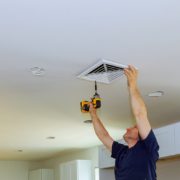
How Often Should You Clean Your Vent Covers? Tips for Every Home

It’s crucial to keep your house cozy and healthy, particularly in Largo, Florida, where the weather causes dust, humidity, and allergens to accumulate quickly in your air vents. Cleaning vent covers on a regular basis guarantees better indoor air quality, maximum HVAC performance, and a cleaner living environment. However, in order to get the greatest outcomes, professional assistance is occasionally required.

Why Regular Vent Cover Cleaning Is Essential

Your home’s air quality can be significantly impacted by dirty vent covers. Dust, mold spores, and allergies gather in your vents over time and travel through your HVAC system, dispersing pollutants throughout your home. This accumulation can exacerbate symptoms and cause health complications for persons who have respiratory conditions, allergies, or asthma.

The additional difficulty of excessive humidity in Largo, Florida, makes vent cleaning even more important. Mold and mildew can grow in your ductwork due to humid circumstances, which can be extremely harmful to your health. Regular cleaning is beneficial, but only expert services can remove deeply ingrained pollutants and guarantee a complete cleaning. Making regular appointments for professional vent cleaning prolongs the life of your HVAC system, lowers energy use, and protects your family.

Factors That Determine Cleaning Frequency

How frequently should vent covers be cleaned? The answer is contingent upon a number of elements specific to your home and way of life. In Largo, Florida, homes close to the shore may accumulate dust and salt more quickly, necessitating cleaning every six months. Cleaning vents should be done every six to twelve months for the majority of homes.

Pet dander and hair, on the other hand, can quickly clog vent covers, requiring cleaning every three to six months. Similarly, more frequent cleanings are quite beneficial for households with respiratory disorders or allergy sufferers. Hiring specialists guarantees a deeper clean that targets mold, allergies, and hard-to-reach locations, even if do-it-yourself cleaning can help with surface-level dirt.

Why Hire Experts for Vent Cover Cleaning?

Even though cleaning vent covers yourself might seem easy, there are far more advantages to hiring specialists than to doing it yourself. Professionals employ sophisticated instruments and methods to eliminate mold, dust, and allergies from deep within your duct system—something that can’t be done with household tools. In addition to enhancing interior air quality, professional cleaning guarantees that your HVAC system runs effectively, reducing energy costs and averting expensive repairs.

During the cleaning procedure, experts also check your HVAC system to look for possible problems like mold growth, leaks, or obstructions that could lower system efficiency or damage the air quality in your house. Our skilled professionals at Weathermakers Air Conditioning & Heating can offer thorough vent and duct cleaning that is customized to your home’s requirements if you’re in Largo, Florida.

Signs You Need Professional Cleaning

Maintaining clean vents is essential for better air quality and HVAC efficiency. Here are key signs that it’s time to call in the experts:

1. Persistent Allergies or Odors

  • Increased allergy symptoms or respiratory issues indoors.
  • Musty or lingering odors indicating mold or debris in ducts.

2. Reduced HVAC Efficiency

  • Rising energy bills or uneven temperatures in rooms.
  • Weak airflow or strange noises from your ducts.

3. Visible Mold or Dust Buildup

  • Dusty or discolored vent covers.
  • Mold growth around vents or quick-clogging air filters.

4. Poor Indoor Air Quality

  • Excess dust in your home or stale, stuffy air.
  • Frequent respiratory discomfort among family members.

5. Frequent HVAC Repairs

  • Short cycling, overheating, or frequent system breakdowns.


Contact Us Today for Expert Vent Cleaning

Avoid allowing unclean vents to endanger your HVAC system or your health. For homeowners in Largo, Florida, Weathermakers Air Conditioning & Heating offers excellent vent and duct cleaning services. Our expert specialists use specialized equipment to remove trash, allergies, and mold, ensuring your home stays clean and your HVAC system functions efficiently.

Ready to breathe easier? Visit our Contact Us page or call 727-576-9211 to schedule your service today. Let the experts handle the dirty work and learn how to identify trustworthy professionals, what certifications to look for, and why quality service matters. Check out our blog, Choosing the Right AC Repair Service in Largo, FL, for expert tips!

Choosing the Right AC Repair Service in Largo, FL

When your AC decides to take an unexpected break—especially during the sweltering Largo summer—you need a repair service you can trust. At Weathermakers Air Conditioning & Heating, Inc., we know how crucial it is to keep your home cool and comfortable. With so many AC repair options out there, finding the right service can feel overwhelming. That’s why we’ve created this guide to help you navigate the process and ensure your AC is in the best hands.

Factors to Consider When Selecting an AC Repair Service

Experience and Reputation

The first step to choosing the right AC repair company is making sure they have the experience and a solid reputation. A company that’s been in business for years is more likely to diagnose and fix issues effectively the first time. Look at online reviews, ask your neighbors for recommendations, and prioritize a company that consistently delivers professional service.

Service Offerings

A great AC repair company offers more than just quick fixes. From emergency repairs to preventative maintenance plans, make sure they can handle a variety of issues. A well-rounded team like ours at Weathermakers Air Conditioning & Heating, Inc. can address problems big or small, keeping your system running efficiently year-round.

Communication and Professionalism

You deserve clear answers, not technical jargon. Look for technicians who take the time to explain what’s wrong with your system and outline how they’ll fix it. Professionalism also shows in punctuality, respect for your home, and the willingness to answer your questions.

Common AC Problems to Watch For

Even the best AC units need repairs now and then. Keep an eye out for these signs:

  • Performance Issues: Struggling to maintain the set temperature or uneven cooling.
  • Unusual Noises: Squealing, grinding, or rattling sounds could signal mechanical problems.
  • Moisture or Leaks: Excess water or refrigerant leaks near your unit should be addressed immediately.
  • Higher Energy Bills: A sudden spike in costs might mean your AC is working inefficiently.
  • Bad Odors: Moldy or burning smells are red flags for potential system or electrical issues.

How to Ensure a Reliable Repair Experience

When evaluating an AC repair service, keep these factors in mind:

  • Customer Feedback: Read reviews and ask for recommendations from people you trust.
  • Cost Transparency: Request detailed quotes to avoid hidden fees or surprises.
  • Credentials: Verify licenses, insurance, and certifications to ensure peace of mind.
  • Proximity: Choose a company that services Largo to avoid delays and unnecessary travel fees.
  • Technician Evaluation: A professional appearance and knowledgeable answers reflect a commitment to quality.

Selecting the right AC repair service doesn’t have to be stressful. By considering factors like experience, certifications, and professionalism, you can make a confident choice. At Weathermakers Air Conditioning & Heating, Inc., we combine expertise with exceptional customer care to deliver the reliable service you deserve.

So, if your AC is acting up, don’t wait! Contact Weathermakers Air Conditioning & Heating, Inc. today, and let us bring comfort back to your home.

Can Noisy Air Vents Be Dangerous? What You Need to Know

Understanding and Fixing Noisy AC Units and Air Vents

Living in Largo, FL, where the sun shines year-round, your AC and air vents are heroes keeping your home cool and comfortable. But when those trusty systems start making odd noises, it’s hard to ignore. Whether it’s a rattling vent or a humming AC, noisy HVAC systems can disrupt your peace and indicate bigger problems. Don’t sweat it—Weathermakers Air Conditioning & Heating Inc. is here to guide you through the common causes and fixes for noisy air vents and AC units.

Common Causes of Noisy Air Vents in Your Home

If your air vents are louder than usual or making odd sounds, it’s likely an airflow issue. Restricted airflow increases pressure, forcing your HVAC system to work harder, which can lead to strange noises. The usual suspects include:

  • Dirty or clogged air filters that block airflow.
  • Closed or blocked registers from furniture, rugs, or long curtains.
  • Debris in ductwork, like small objects or dust buildup, causing rattling or vibrations.

Clearing these obstructions can often restore quiet operation. If the noise persists, there may be deeper issues at play.

How Florida’s Climate Can Add to the Noise

Largo’s unique environment can take a toll on your HVAC system. High humidity makes your AC work overtime, while salty sea air can corrode outdoor components like condenser coils and fan blades. Frequent rain and storms can introduce water leaks, causing dripping or splashing sounds, and Florida’s lush greenery often leaves debris clogging outdoor units. Over time, these conditions lead to wear and tear, making your AC noisier.

What’s That Sound? Troubleshooting Common AC Noises

Here’s a quick guide to some of the most common noises your AC might make and what they could mean:

  • Rattling or Banging: Loose screws, brackets, or debris hitting components.
  • Clicking: Normal at startup but constant clicking could mean electrical issues.
  • Squealing or Screeching: Worn bearings or a loose fan belt in the motor.
  • Hissing or Whistling: Often a sign of refrigerant leaks or duct issues.
  • Humming or Buzzing: Faulty capacitors, loose wiring, or failing motors.
  • Dripping or Splashing: Clogged condensate drains or leaks causing water damage.

Quick Fixes for Noisy Air Vents and AC Units

Sometimes, the solution is simpler than you think. Here are a few DIY steps you can take:

  • Replace dirty air filters monthly to maintain proper airflow.
  • Check for and remove debris around outdoor condenser units.
  • Ensure all supply and return registers are open and unobstructed.
  • Inspect ductwork for loose panels or screws and tighten them as needed.

If these steps don’t solve the problem, it’s time to bring in the pros.

Why You Should Call an HVAC Expert

Some noises aren’t just annoying—they’re a cry for help. Persistent rattling, hissing, or grinding could indicate serious issues like refrigerant leaks, failing motors, or damaged ductwork. An HVAC technician can diagnose and fix these problems safely, ensuring your system runs smoothly. At Weathermakers Air Conditioning & Heating Inc., we’ll check everything from airflow to electrical components to get to the root of the noise.

The Benefits of a Quiet, Efficient HVAC System

A quiet HVAC system isn’t just a luxury—it’s a sign your system is running efficiently. Reduced noise means better airflow, lower energy bills, and fewer unexpected breakdowns. Plus, it’s just plain relaxing to enjoy the cool air without the constant hum or rattle of a struggling AC unit.

Let’s Bring the Quiet Back to Your Home

Your comfort is our priority. Don’t let noisy air vents or an AC unit disturb your peace. Call Weathermakers Air Conditioning & Heating Inc. today, and let’s get your system running as quietly and efficiently as the day it was installed!

Clear Signs Your Heating System Needs Repair

At Weathermakers Air Conditioning & Heating, Inc., we know that even in Florida, a reliable heating system is a must when temperatures drop. If your heater starts acting up, catching the problem early can save you from bigger, costlier repairs. Let’s walk through the top signs your system might need some attention and tips for finding the right HVAC professional in Largo, FL.

Top 10 Signs You Need Heating Repair in Largo, FL

Your heater doesn’t always break down without warning—there are often signs telling you something’s wrong. Keep an eye out for these common indicators that your system needs professional care:

  1. Strange Sounds: If you hear banging, rattling, or squeaking, your system may have loose parts or other mechanical issues.
  2. Unusual Odors: Smelling something odd? It could mean components are burning or leaking, and it’s time to get it checked.
  3. Inadequate Heating: If your home isn’t warming up as it should, your heater might not be functioning properly.
  4. Temperature Fluctuations: If different rooms have varying temperatures, it could indicate a problem with your ducts or system components.
  5. Higher Energy Bills: A sudden increase in your heating bill can signal your heater is working inefficiently.
  6. Pilot Light Going Out: If your pilot light keeps going out, there could be a gas line issue or internal problem that needs expert attention.
  7. Short Cycling: When your system keeps turning on and off frequently, this could be due to airflow problems or thermostat issues.
  8. High Humidity Levels: If your home feels unusually humid, it may be due to a clogged filter or another issue affecting your heater.
  9. Poor Air Quality: If you notice more dust or your air feels stuffy, your heating system might not be filtering air properly.
  10. Increasing Repair Bills: If you’re frequently calling for repairs, it may be time to consider whether an upgrade is more cost-effective.

Why Ignoring Heating Problems Can Cost You Big

Ignoring these warning signs won’t make the issues go away—in fact, they’ll likely get worse. A small problem like a strange noise can quickly escalate into a major breakdown, leaving you with a hefty repair bill. Plus, a malfunctioning heater can drive up energy costs and even reduce your home’s air quality. Taking care of these issues early ensures your system runs efficiently and keeps your home comfortable all winter long.

How to Find the Best Heating Repair Pros in Largo, FL

When it’s time for heating repairs, you want to trust the job to a professional who knows what they’re doing. Here are some helpful tips to make sure you hire the best HVAC expert in the area:

  • Research the Heating Company: Look for licensed and insured companies with strong customer reviews.
  • Ask Questions: Find out about the company’s experience, qualifications, and how they handle repairs.
  • Check Prices & Packages: Compare pricing and service packages to get the best value.
  • Compare Warranties & Guarantees: Make sure they offer solid warranties on their work.
  • Get Referrals: Ask friends or family for recommendations on local professionals they trust.
  • Request Estimates: Collect estimates from a few companies before making your decision.
  • Check Availability & Scheduling: Make sure they can fit you in quickly, especially during busy seasons.
  • Ask For Documentation: Get written estimates and contracts to avoid surprises.
  • Read Reviews & Testimonials: Customer feedback is a great way to gauge a company’s reputation.
  • Contact Your Insurance Provider: See if your home insurance covers heating repairs, which could save you money.

Keep Your Heater in Top Shape with the Pros!

Staying on top of heating repairs doesn’t just keep you comfortable—it also saves you money and extends the life of your system. Regular maintenance is key to preventing costly breakdowns. At Weathermakers Air Conditioning & Heating, Inc., we’re here to make sure your system runs smoothly all year long.

Don’t wait until your heater breaks down—reach out to Weathermakers Air Conditioning & Heating, Inc. today for expert repairs and maintenance to keep your home cozy this winter!

Want to learn more about keeping your home comfortable year-round? Check out our related articles for expert advice! Learn the difference between HVAC Repair vs. Replacement and discover whether an AC or Heat Pump is right for your home. At Weathermakers Air Conditioning & Heating, Inc., we’re here to help you make informed decisions for your comfort!

HVAC Emergency?

10 Signs Your HVAC Needs Immediate Repair

Hey there, Largo residents! Weathermakers Air Conditioning & Heating, Inc. here, bringing you some important insights on keeping your home comfortable and safe. We all love the cool breeze of a well-functioning AC or the warmth of a reliable heater, but what happens when things go wrong? Let’s dive into the top 10 signs that your HVAC system might be screaming for help.


1. Unusual Noises

Your HVAC system should be a silent hero, working quietly in the background. If you start hearing strange noises like banging, clanging, or high-pitched whistling, it’s time to call us. These sounds could indicate loose parts, motor issues, or even a refrigerant leak. Don’t wait until a minor noise becomes a major problem.

2. Inconsistent Temperatures

Ever walked from one room to another and felt like you’ve entered a different climate zone? If some rooms are too hot while others are too cold, your HVAC system might be struggling. This could be due to ductwork issues, a failing thermostat, or an aging system. Let us help you even out the temperature in your home.

3. Increased Energy Bills

Nobody likes a surprise in their energy bill, especially when it’s a big one. If your bills are suddenly skyrocketing without a change in your usage, your HVAC system might be the culprit. A system that’s working harder than it should to maintain temperature can lead to increased energy costs. We can diagnose and fix the issue, saving you money in the long run.

4. Poor Air Quality

Your HVAC system plays a crucial role in maintaining your home’s air quality. Noticing more dust? Are your allergies flaring up? These could be signs of a dirty or failing HVAC system. We can help improve your air quality and make your home a healthier place to live.

5. Frequent Cycling

Your HVAC system should cycle on and off to maintain your desired temperature. If it’s constantly turning on and off (a.k.a. short cycling), it’s time to call us. This could indicate a major issue with your system, and addressing it quickly can prevent further damage.

6. Water Leaks

Water leaks around your HVAC system are a sure sign of trouble. This could be due to a clogged condensate drain line or a refrigerant leak. Either way, it’s important to address this issue immediately to prevent further damage. We’re here to help you tackle these leaks head-on.

7. Bad Odors

If your HVAC system is emitting a foul smell, it could be due to mold growth or a burnt-out motor. Don’t ignore this issue – it could lead to serious health problems. Our experts can identify and fix the source of the odor, ensuring your air is clean and safe to breathe.

8. Age of the System

The average lifespan of an HVAC system is around 15-20 years. If your system is older than this, it may be time for a replacement. Older systems are more prone to breakdowns and are less energy-efficient. We can help you decide if it’s time for an upgrade to a more efficient model.

9. Frequent Repairs

Are you constantly calling for repairs? Frequent breakdowns are a sign that your system is nearing the end of its lifespan. It might be more cost-effective to replace your system rather than continuing to fix it. We can help you make the best decision for your home and budget.

10. Inadequate Heating or Cooling

If your HVAC system isn’t keeping your home warm in the winter or cool in the summer, it’s time for emergency repair services. This could be due to a variety of issues, from a failing compressor to low refrigerant levels. Let us diagnose and fix the problem so you can stay comfortable year-round.


Ensuring Your Comfort and Safety

Don’t ignore these signs – your comfort and safety depend on a functioning HVAC system. If you’re experiencing any of these issues, contact Weathermakers Air Conditioning & Heating, Inc. We’ve got over 45 years of experience serving the Largo, FL area, and we’re here to provide expert emergency HVAC repair services. Give us a call today and let us help you keep your home comfortable and safe!

Trust Weathermakers for Expert HVAC Repairs!

When it comes to reliable HVAC service, trust the experts at Weathermakers Air Conditioning & Heating, Inc.. We’re ready to tackle any emergency and ensure your system is running smoothly. Don’t wait until a minor issue becomes a major headache – call us today!

For more helpful tips and insights, check out our other blogs on HVAC Repair vs. Replacement and AC vs. Heat Pump: Largo’s Guide. Dive into these articles to learn more about maintaining your HVAC system and making the best choices for your home’s comfort.

HVAC Repair vs. Replacement

How to Decide What’s Best for Your Home

Introduction

Hello, Largo homeowners! At Weathermakers Air Conditioning & Heating, Inc., we understand that choosing between repairing or replacing your HVAC system impacts both your comfort and finances. Making the right call at the right time can save you money and prevent future headaches. Let’s explore what you need to consider to make an informed decision.


Assessing the Age of Your HVAC System

  • Expected Lifespan of Furnaces and Air Conditioning Units

The age of your HVAC system is crucial in deciding whether to repair or replace it. Furnaces typically last between 15 to 30 years, while air conditioning units have a shorter lifespan, usually around 15 to 20 years. Knowing these lifespans helps you gauge when repairs might start costing more than they’re worth.

  • How the Age of Your HVAC Components Influences Your Decision

If your furnace is about ten years old and running well, a repair might extend its life for another decade. However, if your AC unit is nearing 15 years, it might be time to consider a replacement, especially if you’re facing a hefty repair bill.


Evaluating Repair Frequency and Its Implications

When Repairs Indicate the Need for Replacement

How often are you calling us for repairs? If it’s becoming a regular part of your seasonal routine, this could be a sign that your HVAC system is on its way out. Frequent repairs often indicate that your system’s efficiency is declining.

Signs That Your HVAC System May Be Nearing the End of Its Useful Life

Repeated breakdowns, especially during peak usage times, suggest that it might be more cost-effective to invest in a new system rather than continually fixing the old one.

Cost Considerations in Repair and Replacement

Comparing the Immediate and Long-Term Costs of HVAC Repair vs. Replacement

Sometimes, a repair can be nearly as expensive as a new system, especially if major components are involved. It’s important to compare these costs not just in the short term but also in terms of future savings from a more efficient system.

Situations Where Replacement is More Cost-Effective Than Repair

If a repair costs half as much as a new unit, it might be smarter to invest in a new system that will last longer and perform better. Additionally, newer models often offer significant energy savings.


The Impact of Increased Utility Bills

How Efficiency Loss Affects Your Heating and Cooling Costs

As HVAC systems age, they lose efficiency. This loss can be gradual but may spike as the system nears the end of its life, leading to higher utility bills. If you’re noticing a significant increase in your energy costs, it might be time to replace your unit.

Recognizing When Rising Bills Suggest a Need for Replacement

If your bills are increasing without a corresponding rise in usage, this is a clear sign that your system’s efficiency has dropped. A new system could lower your monthly bills and eventually pay for itself through energy savings.


Environmental and Regulatory Factors

The Phase-Out of R-22 Refrigerant and Its Impact on AC Units

For those with older AC units that use R-22 refrigerant, it’s important to know that this refrigerant is being phased out due to environmental concerns. As it becomes harder to find, maintenance costs for systems using R-22 will likely rise.

Environmental Considerations in Choosing Between Repair and Replacement

Opting for a new system allows you to choose a unit that uses a more environmentally friendly refrigerant and operates more efficiently, helping to reduce your home’s overall carbon footprint.


Conclusion

Deciding whether to repair or replace your HVAC system involves considering the age and condition of your unit, the frequency and cost of repairs, increases in your energy bills, and environmental factors.

At Weathermakers Air Conditioning & Heating, Inc., we’re here to help you navigate these decisions. Contact us for an evaluation and tailored advice on what’s best for your home’s comfort and your budget.

For more tips and insights, be sure to check out our other blogs on a variety of HVAC topics: Weathermakers Air Conditioning & Heating Blog.

Seasonal Ceiling Fan Adjustments for Comfort

Optimizing Ceiling Fan Usage for Comfort and Efficiency

Introduction

Overview of Ceiling Fan Benefits

Hey there! Ever wondered why nearly every Floridian home sports a ceiling fan or two? It’s not just for the aesthetic. Ceiling fans are a staple in our homes because they significantly enhance comfort and help manage those pesky energy bills, especially during our hot summers and mild winters.

Purpose of the Article

At Weathermakers Air Conditioning & Heating, Inc., based right here in sunny Largo, FL, we know a thing or two about beating the heat—and occasionally, the chill. This guide will walk you through making the most of your ceiling fans all year round, without getting into the nitty-gritty of installation.

Understanding Ceiling Fan Mechanics

The Basic Functionality of Ceiling Fans

Ceiling fans don’t just stir up a breeze—they facilitate better air circulation and can create a more comfortable living environment. By understanding the basic mechanics, you’ll be better equipped to use them effectively.

Importance of Blade Direction and Speed

The direction your fan spins plays a crucial role in how it affects room temperature. The speed settings also matter, allowing you to fine-tune the airflow based on current weather conditions.

Seasonal Settings for Ceiling Fans

  • Optimal Fan Settings for Summer

During our hot summers, your ceiling fan should spin counterclockwise. This direction pushes cooler air down, helping to make the room feel breezier and more comfortable without overworking your AC.

  • Benefits of Counterclockwise Rotation

Counterclockwise rotation enhances the wind chill effect, which can make the room feel several degrees cooler than the actual temperature. This little trick lets you bump up your thermostat setting a bit, saving money on air conditioning costs.

  • Adjusting Fan Settings for Winter

Though our winters are mild, the occasional chilly day can still make you reach for the thermostat. Setting your fan to clockwise during cooler months pulls cold air up and pushes warm air down, helping to distribute heat more evenly throughout the room.

  • Benefits of Clockwise Rotation

Clockwise rotation minimizes cold spots and drafts in your home, maintaining a comfortable temperature without cranking up the heat. It’s all about making the most of the warm air already there.

Energy Efficiency and Cost Savings

Comparison with Air Conditioning Usage

While air conditioners are more effective at cooling, they’re also much heavier on your wallet. Ceiling fans use significantly less energy, which can lead to considerable savings over time, especially when used in conjunction with your AC.

Potential Savings on Energy Bills

Integrating ceiling fans into your home cooling strategy can reduce your air conditioning needs, potentially lowering your energy bills by up to 40% during the hottest months.

Room-Specific Considerations for Ceiling Fan Installation

Ideal Locations for Ceiling Fans

Ceiling fans are most beneficial in rooms where you spend a lot of time. This includes living areas, bedrooms, and home offices.

Living Rooms

A fan in the living room can enhance airflow, making it a more inviting space for family gatherings or relaxation.

Bedrooms

A ceiling fan in your bedroom can improve nighttime comfort, helping you sleep better even when it’s warmer out.

Home Offices

For those who work from home, a ceiling fan can keep your workspace comfortable without the distraction of a noisy AC unit.

Safety Considerations for Ceiling Installation

Always ensure that ceiling fans are installed at a safe height—generally, ceilings under seven feet do not suit a ceiling fan for safety reasons.

Strategic Use of Ceiling Fans

Daily Usage Recommendations

To maximize efficiency, only run ceiling fans when the room is occupied. Remember, fans cool people, not rooms, by enhancing evaporative cooling.

Best Times to Run Ceiling Fans

Typically, during the hottest hours—from 2 pm to 8 pm—fans can make a significant difference in your comfort levels.

Seasonal Usage Tips

Summer Usage

Keep those fans spinning counterclockwise to support your air conditioning.

Winter Usage

Switch to a clockwise direction to help redistribute any accumulated warm air from your heating system.

Professional Insights and Recommendations

Expert Advice from HVAC Professionals

Our team at Weathermakers Air Conditioning & Heating, Inc. is always ready to offer advice and services to ensure your systems are in top shape and efficiently integrated with your ceiling fans.

When to Consult a Professional for HVAC Issues

If your home isn’t cooling or heating as expected, it might be time to give us a call. Sometimes the issue goes beyond what a ceiling fan can manage.

Conclusion

Recap of Ceiling Fan Benefits

Using your ceiling fans wisely can enhance comfort, improve air quality, and reduce energy consumption—simple measures with significant impacts.

Final Recommendations for Maximizing Comfort and Efficiency

Remember, the right settings and strategic use can transform how you experience your home. Call us now and stay cool, stay warm, and save money.

Ready to dive deeper into home comfort tips? Check out our other insightful blogs here!

© 2025 All Rights Reserved. - License #CAC 057624 | Weathermakers Air Conditioning & Heating, Inc. | 6496 126th Avenue North, Largo FL, 33773 | 727-576-9211 | Largo FL